

2024/10/11
Hello! I am Lee Hana from the SKOOTA editorial team.
Last week, I visited the Tokyo Game Show 2024, where our company participated as a publisher. It was my first time at the Tokyo Game Show, and I even got a bit lost, but I am truly grateful to have made it back in one piece.
During the business days on the 26th and 27th, I was able to play many overseas indie games that I usually don't get to experience. Unfortunately, as someone who struggles with both Japanese and English, I didn't want to think too much while playing, so I invited my friend, the fluffy bunny, to mainly explore the most straightforward Korean indie booths. Therefore, while playing, I couldn't help but wonder, "Are foreign users able to grasp the meaning of this?" and as soon as I realized I wasn't fully understanding Japanese either, I decided to write this article.
To be honest, there is some information included that could be easily found just by Googling, which isn't really related to language, but I think that's okay. This report, filled with the raw voices from the scene and impressions of the gameplay, is brought to you by the SKOOTA editorial team.
A game with a cute atmosphere and this level of meme? — MONOWAVE
#TGS2024 I visited the MONOWAVE booth!
The characters are cute, and the setting where various abilities can be used depending on emotions was interesting!
Personally, I love how MONO looks clearly sad when it becomes "anxious" 🎶 pic.twitter.com/xsg96KuS9C— Fluffy Bunny (@futomomousagi) September 29, 2024
Initially, I was at the booth of BBB, which was showcasing MONOWAVE (the game name was used for the booth). The booth number was 10-W03.
This booth caught my attention throughout the event, and it always seemed crowded with visitors.
The first impression of the game is simply cute. The characters are adorable, and the atmosphere is charming.
Lifeforms with relatively simple shapes move around in a world that looks like it was drawn in a sketchbook during childhood. The dark background gives it a feeling similar to watching a deep-sea aquarium. The demo was probably limited to 12 minutes, but I felt like I could watch this fluffy aquarium for 30 minutes in my mind.
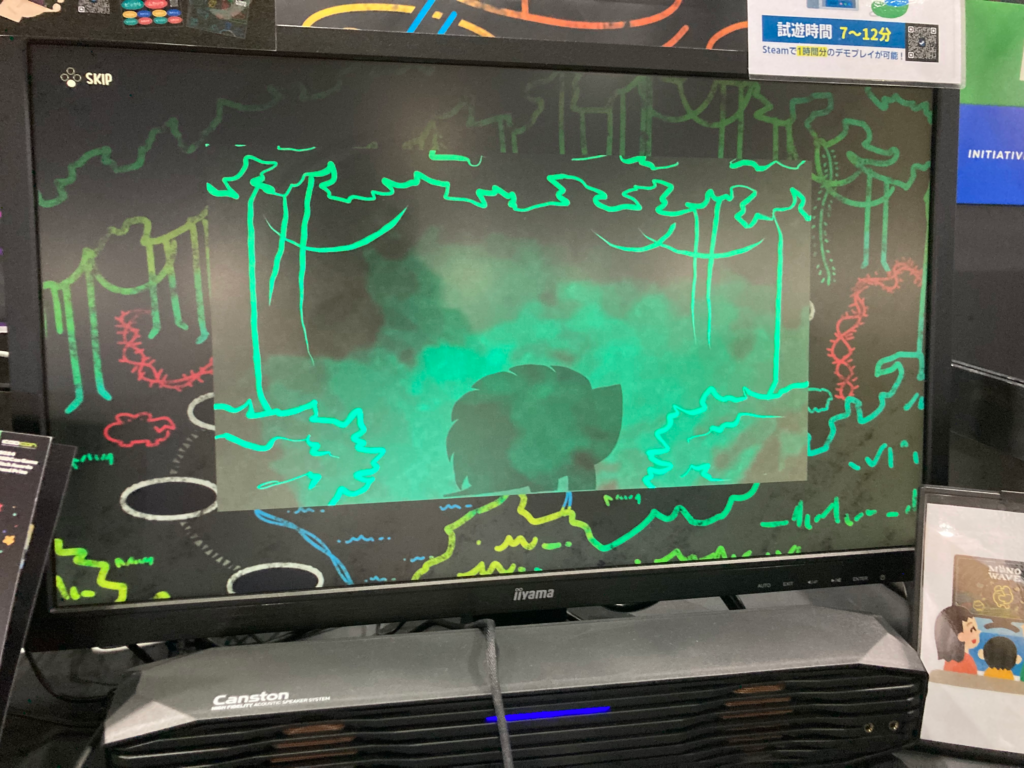
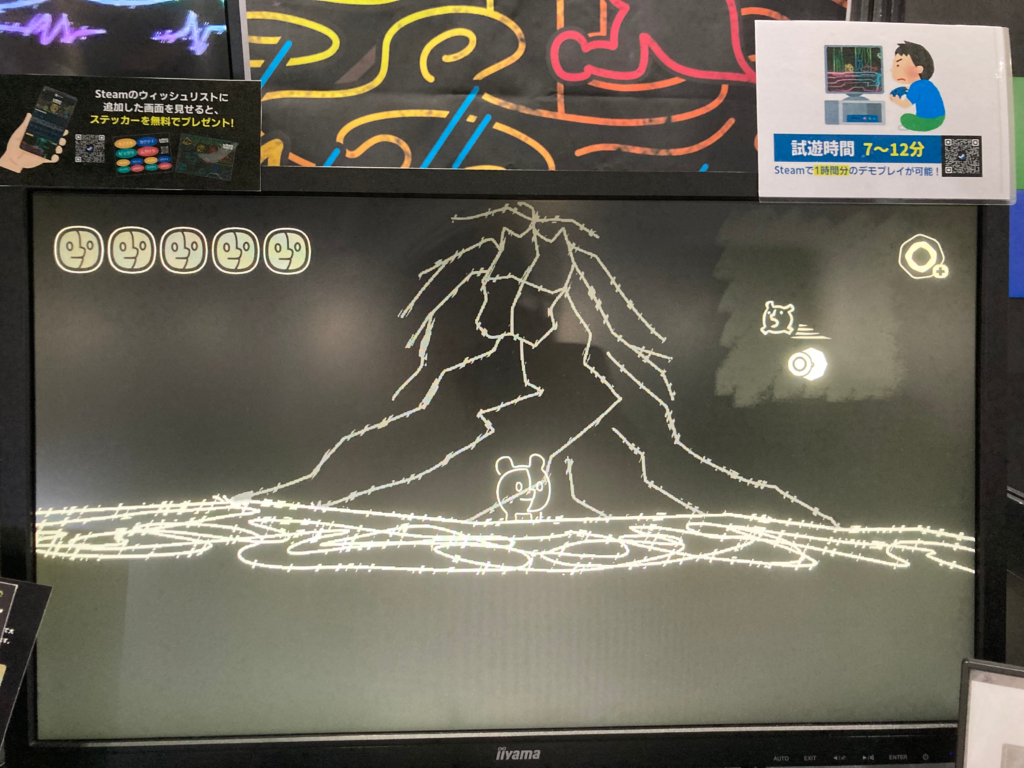
The game format is extremely simple. The protagonist, who can use different abilities depending on their emotions, overcomes barricades in front of them to move on to the next stage. There are puzzle elements as well, with items on the map that can earn you points, adding a sense of challenge. It was surprisingly difficult.
After finishing the play session, I received some merchandise, so I checked it out right away.
The stickers depicting "Happiness," "Sadness," "Anger," and "Anxiety" certainly catch the eye, but what I focused on this time were these. The stickers on top that say "Fun," "Sad," "Surprised," and "Annoyed."
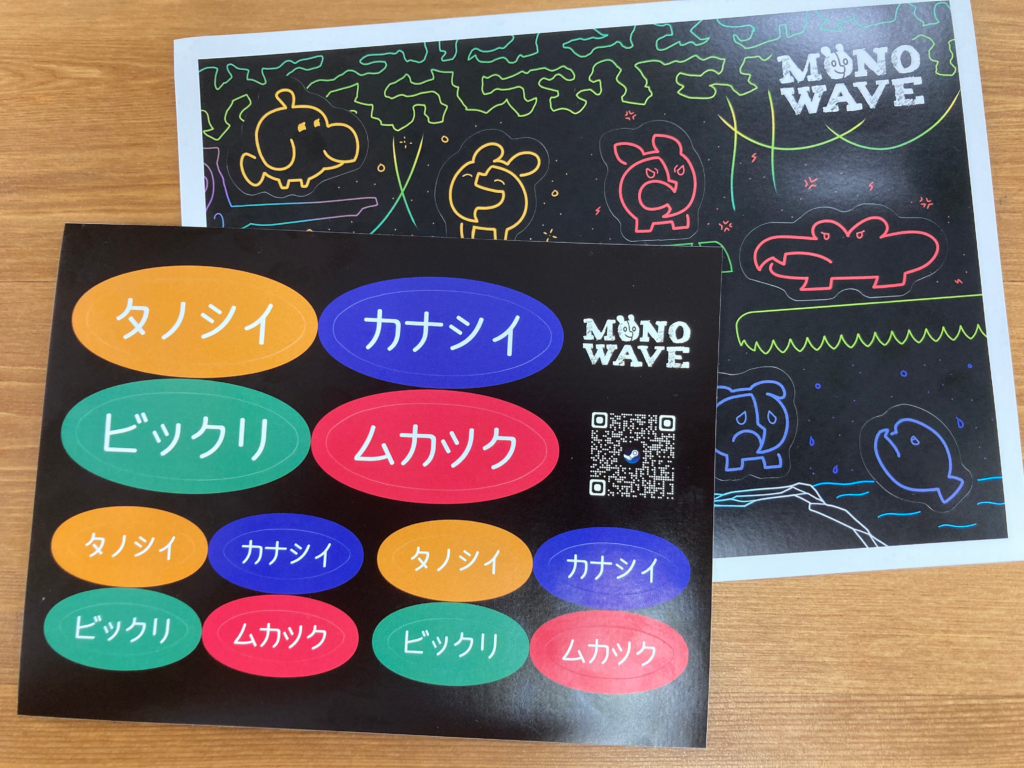
This may seem nonsensical at first glance if you're not familiar with the original source. Let me introduce that this comes from the meme "Pre-Cracked egg," which was a topic of discussion overseas for a while. In Japanese, it translates to "事前に皮をむいたたまご," meaning "pre-peeled egg."

Pasta that's tastier than pasta, Nongshim pasta!
Finally!
It's delicious! (There are two types: Bolognese and Mushroom Cream)
It's convenient! (Ready in 4 minutes)#Nongshim #Pasta pic.twitter.com/byUEWwqhX4— Nongshim Official Twitter Account (@Nongshim) November 27, 2022
A parody of the "Pre-Cracked egg" meme in a post by NONGSHIM on X.
Around 2018, this image originating from the United States became a topic in South Korea as well. This meme, with its unique elements that are easy to remember, gained attention particularly because the text "I enjoy" in the bottom right was translated as "たのしい" (fun). Thus, the "Pre-Cracked egg" meme was referenced in various ways with the combination of this red bubble and the word "たのしい."
So, why are we bringing up this topic now? It's actually because we used it at our booth as well.
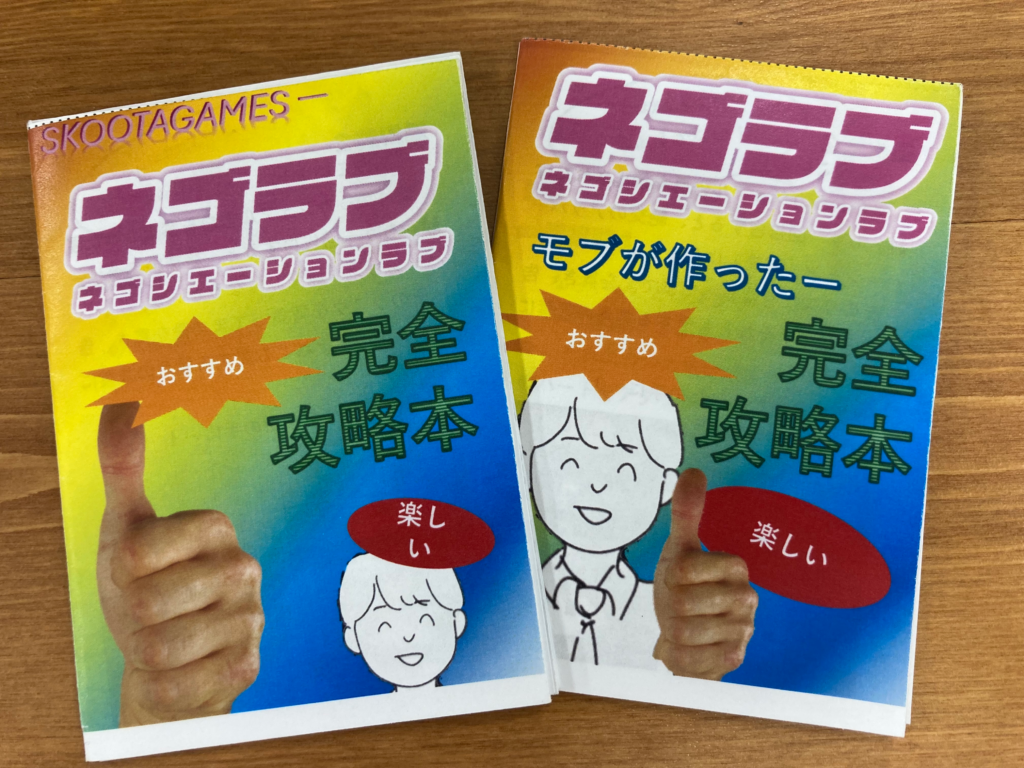
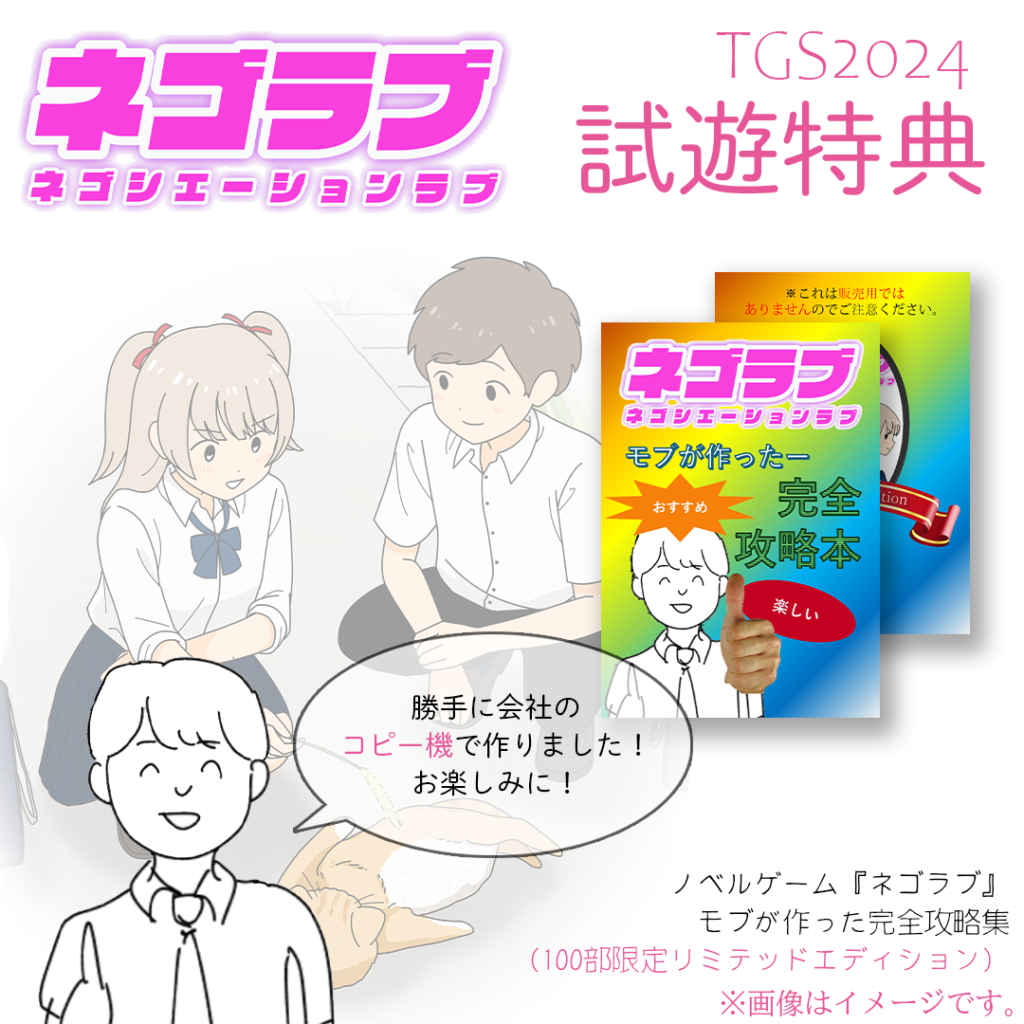
This is the title of our indie game currently in production called 'Negolove', and we were preparing "copy books" to hand out to those who tried the game. I wanted to give it a casually surreal vibe, so I prepared 100 copies along with a rainbow image... but in the end, we could only distribute 5 before the Tokyo Game Show ended.
In comparison, I was quite envious of MONOWAVE's "Tanoshii" stickers, which were very popular.
A Cyber World with a Surprisingly Rude Tone - Black Guardian
#TGS2024 I played Black Guardians' 'Bending Machine Hero'! 🎶
The controls were difficult, but the setting of earning money while being stuck inside a vending machine was interesting!
I also took a photo next to Navi-chan and Oracle-chan at the booth!
Looking forward to more! pic.twitter.com/ZWQS7YlJMT— Futomomo Usagi (@futomomousagi) September 29, 2024
While wandering around the indie booths, I was drawn to a particular poster. A neon sign shining beautifully. Next to a vending machine that seemed abandoned in a gap on the street, a girl holding coffee and cigarettes gazes up at the sky.
At booth 09-W20, I encountered Black Guardian's 'Vending Machine Hero' and smoothly joined the line for a demo.
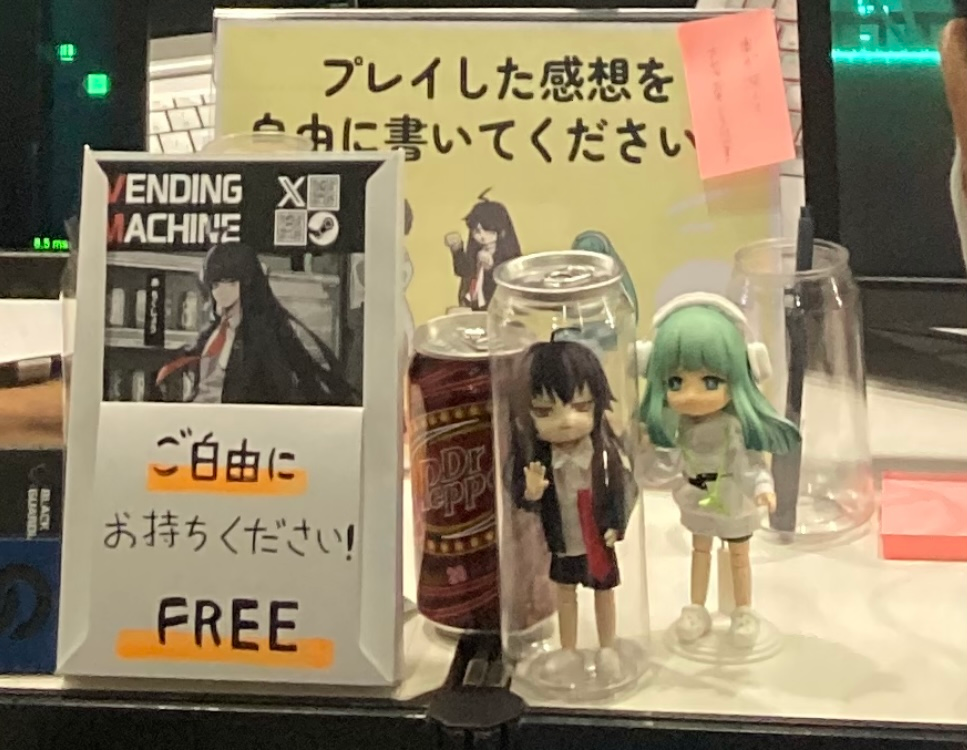
After trying it out, my impression is... the controls are extremely difficult.
All the sticks on the gamepad are used, one for character control and the other for aiming. It's quite a tough control scheme for beginners. (I wondered if it would be easier with a mouse and keyboard...) Especially in the latter half of the stage, countless enemies close in, so I had no choice but to keep running while trying to time my skill usage.
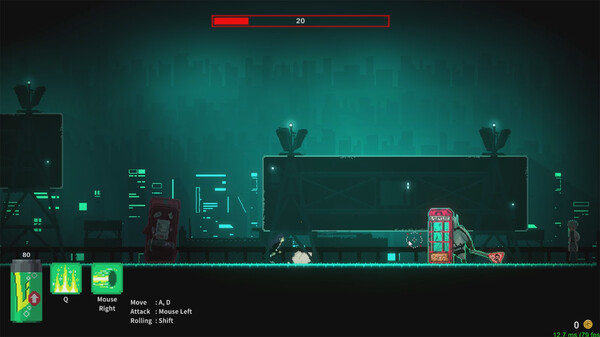
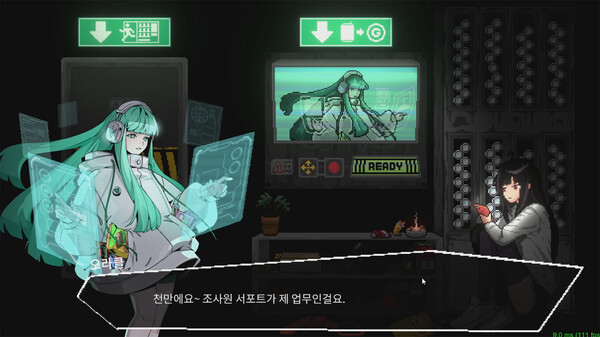
Unlike the tough difficulty, the world-building and character design left a very favorable impression on me.
The absurd setting of living inside a vending machine while working for the government adds a nice subculture flavor that I personally enjoyed. It was also interesting that the skills you can use change depending on which drink you choose.
Personally, I loved that when I chose cola, a polar bear character appeared and I could swing a bat as a skill.
Another thing I noticed is that the protagonist, Navi, has a foul mouth.
When watching Korean dramas on Netflix, I occasionally come across scenes where refreshing insults are thrown around, and I felt that déjà vu this time. Watching such moments always makes me think that the nuances of insults are hard to convey through subtitles alone... I hope that one day AI will advance to the point where it can translate even these subtle nuances.
Is this bug intentional? — Izakaya Conversare
#TGS2024 I also played 'Izakoza' from Izakaya Conversare!
I managed to win a card game against a staff member by a narrow margin...
There was a bug that turned allies into enemies midway, but it was fun!🎶 pic.twitter.com/hvOxTC20xE— Futomomousagi (@futomomousagi) September 29, 2024
If I had to choose the most memorable booth at TGS this time, it would definitely be this one.
Let me introduce 'Izakoza' from Izakaya Conversare, located at booth 09-W76.
I heard it resembles Blizzard's 'Hearthstone', which I played back in high school, so I casually tried it out. Right from the start, there was an interesting point.
Despite being a Korean indie booth, it was only playable in English. When I heard that it couldn't be played in Japanese or Korean, I hesitated for a moment about whether to continue, but since they assured me they would explain everything, I decided to give it a go.
As the explanation suggested, this game is a one-on-one TCG. Plus, since it was one-on-one with the booth staff, I enjoyed a good conversation while playing for about ten minutes.
However, there was another interesting point. Due to the poor internet connection at TGS, there were all sorts of bizarre bugs occurring.
Allied cards suddenly turned into enemy cards, and when I used skills, the cards would hide on the ground and become unusable...
It was quite chaotic, but the developer's explanations were entertaining, making the gameplay enjoyable. In fact, they managed to turn the bugs into entertainment, and the onlookers seemed to be having a great time. Normally, when bugs are discovered at events, the focus is on fixing them, but this was quite innovative.
Of course, getting all users to accept the bugs is a challenge. It would be even more difficult for overseas users who might struggle with language barriers.
Watching the stream from a Korean streamer who was introducing this booth, I could see they were having trouble with Japanese support.
"I hope everyone was able to enjoy the bugs properly..."
This is a game I still occasionally think about.
Let’s face it head-on! Bomb Disposal Team
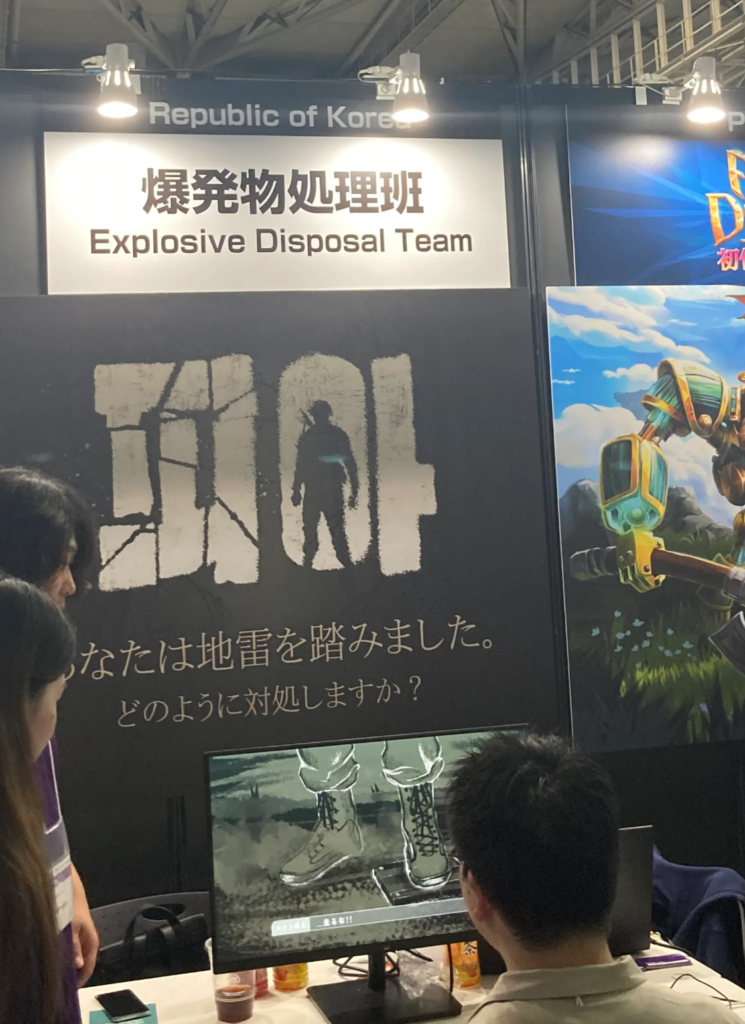
This was definitely one of the most talked-about booths at TGS. The game featured a protagonist who steps on a landmine during wartime and has to defuse it. The team is called 'PIA', and the booth is located at Select Indie A08.
According to the description from STOVE, it seems that one team created it in just three weeks. Given that, the quality feels quite high. They plan to release both a free and a paid version on Steam in December, so there might be some upgrades added.
By the way, I found the message, "The landmines in this game are fictional, and real landmines explode immediately when pressure is applied", quite chilling when I read it for the first time.
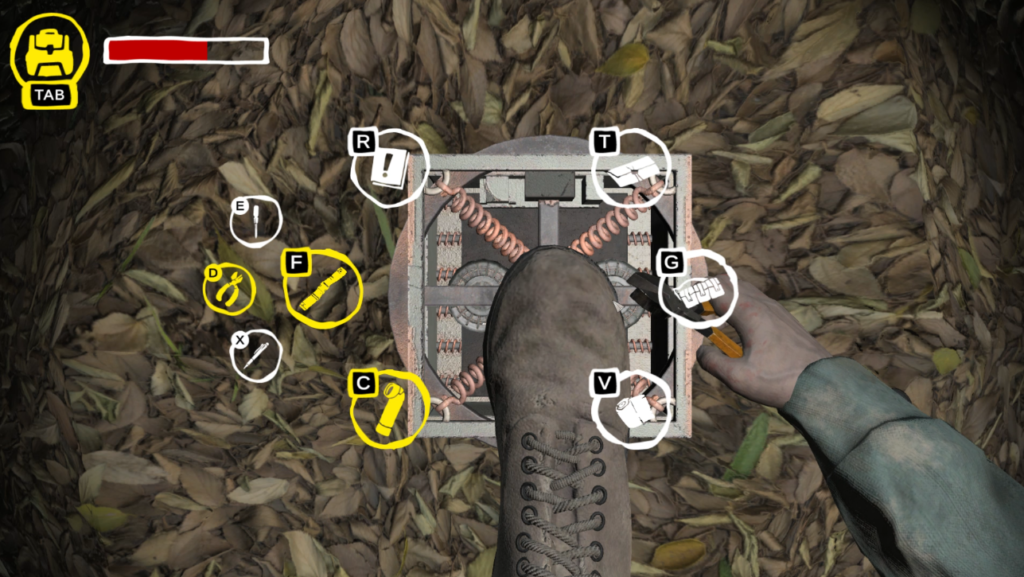
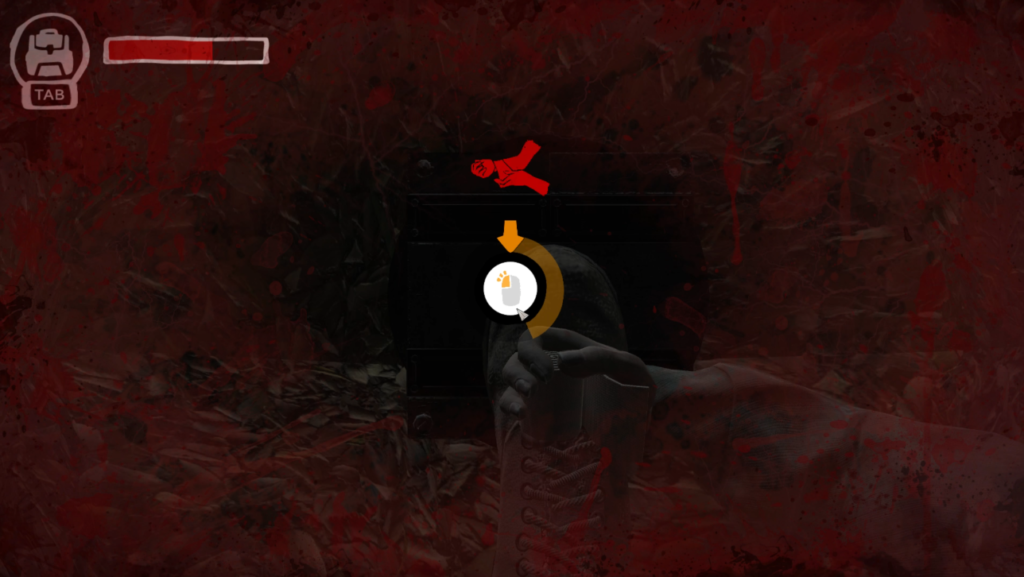
What I felt after actually playing was that there is a “good kind of inconvenience” built into the game, which is amazing.
Since you have to disarm while stepping on landmines, you find yourself in a tense situation, crouched in the dark, not knowing when it will explode, desperately pressing buttons and the mouse.
As the number of buttons you need to press keeps increasing, the moment you forget the first button you were pressing… GAME OVER.
Unlike other games that try to figure out “how to make controls easier,” this game reflects the ingenuity of “how to let players experience something that is normally impossible, like disarming landmines,” and it was really interesting.
What’s particularly intriguing is that they are using the Hangul logo as it is. I initially thought, “Was it just too difficult to change the logo design?” but considering that they are quoting actual historical materials from the Korean War era (*), it feels like they are strongly asserting that this is a Korean game.
* The game quotes the text from 'Korean War Diary - A Student Soldier's Participation Diary' (2012) at the beginning.
Even though it’s a Korean booth, there were many aspects that couldn’t be understood just from the visuals and logo, so I think the case of 'PIA' is quite unique.
Perhaps this is something that appears fresh to overseas users. …If so, could this be a “Korean indie game quality that I, as a Korean, don’t understand”? In any case, among the overseas booths that impose localization, I realized that 'PIA' was a game that stood out quite a bit.