

Hello, this is Mob. Continuing from the previous article, I bring you the second report on the Game Pavilion JP 2025. Last time, we introduced "minimal indie games that create a unique atmosphere," showcasing works that, despite their small scale, offer deep immersion. This time, we will shift our focus to "indie games armed with unique concepts that also evoke a sense of darkness."
One of the charms of indie games lies in their innovative ideas that no one has thought of before, and the freedom that comes with it. The two games I will introduce this time truly maximize that charm, hiding unexpected "darkness" and complexity beneath their seemingly bright and cute appearances.
The games I encountered at the Osaka event surprised me with the thought, "I never would have thought of that!" as I played them, while also impressing me with the deep thinking hidden behind them. Now, let's take a look.
Super Fusion Babioji Syndrome: The Impact of Gaps
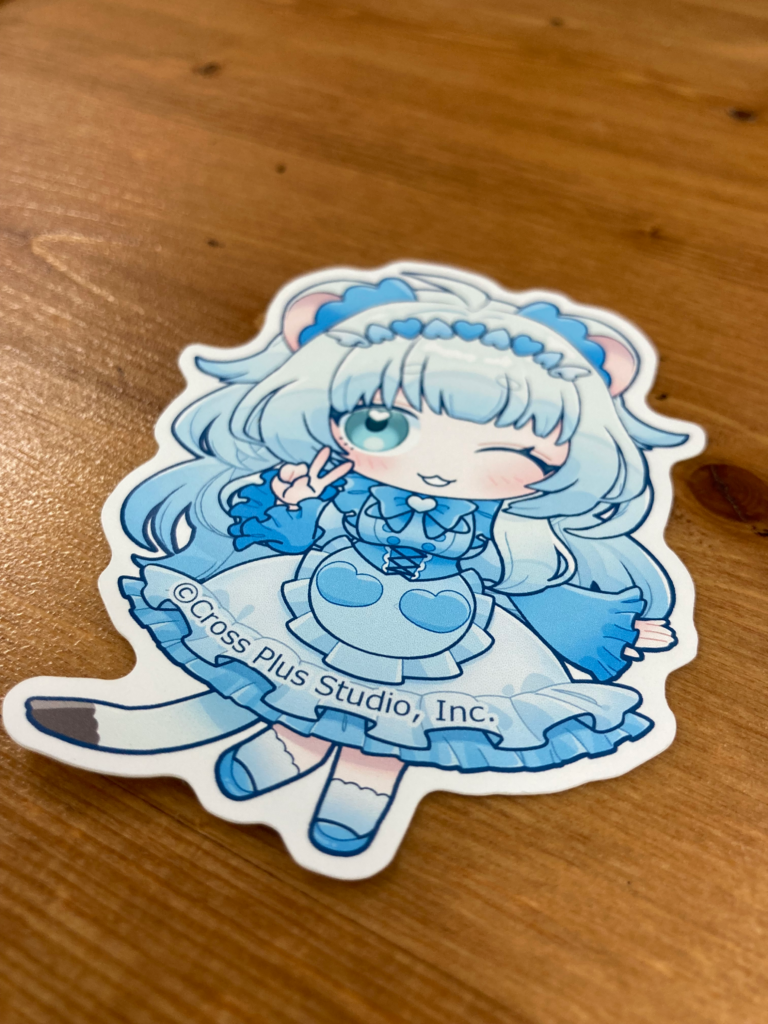
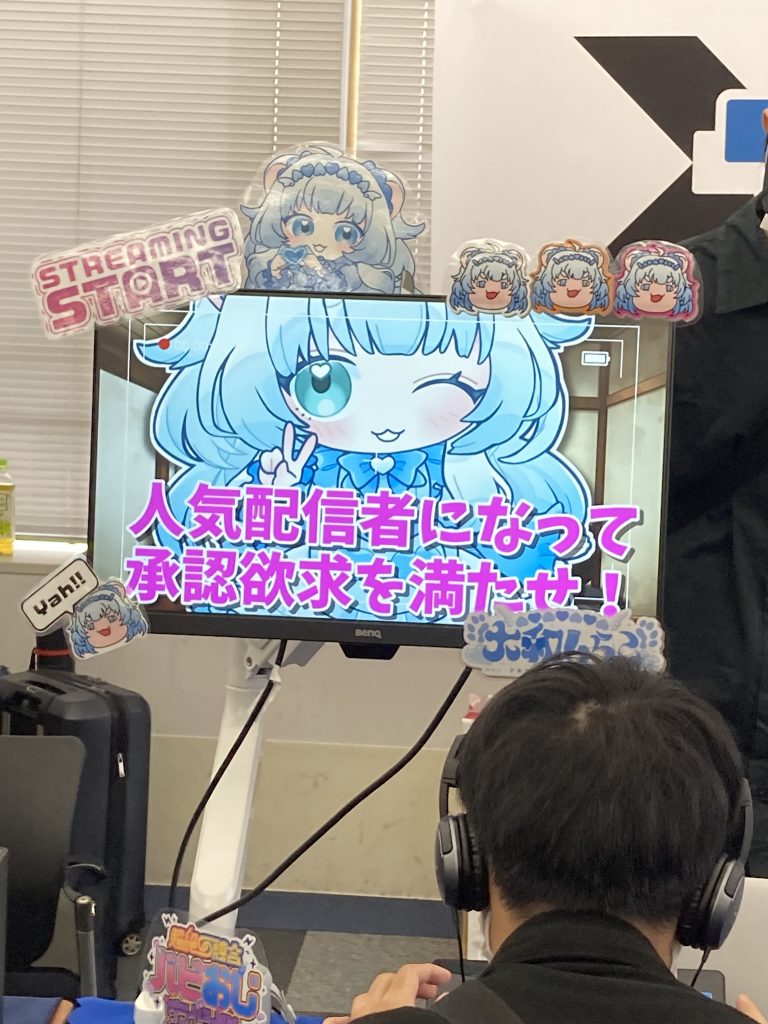
Next up is Super Fusion Babioji Syndrome. Despite being a casual rhythm game, its unique concept inspired by virtual streamers caught my attention. The protagonist, "Shirapon," is an uncle on the inside but appears as a beautiful virtual streamer, depicting his journey to become a popular streamer. The impressive gap between the cute UI and character design and the underlying darkness made it a title I couldn't resist playing.
The gameplay is simple. You process the notes of comments flying along three lines using swipes, taps, and holds. The mechanics are so straightforward that I thought it wouldn't be too difficult, but the game's difficulty was surprisingly high, shattering my naive expectations.
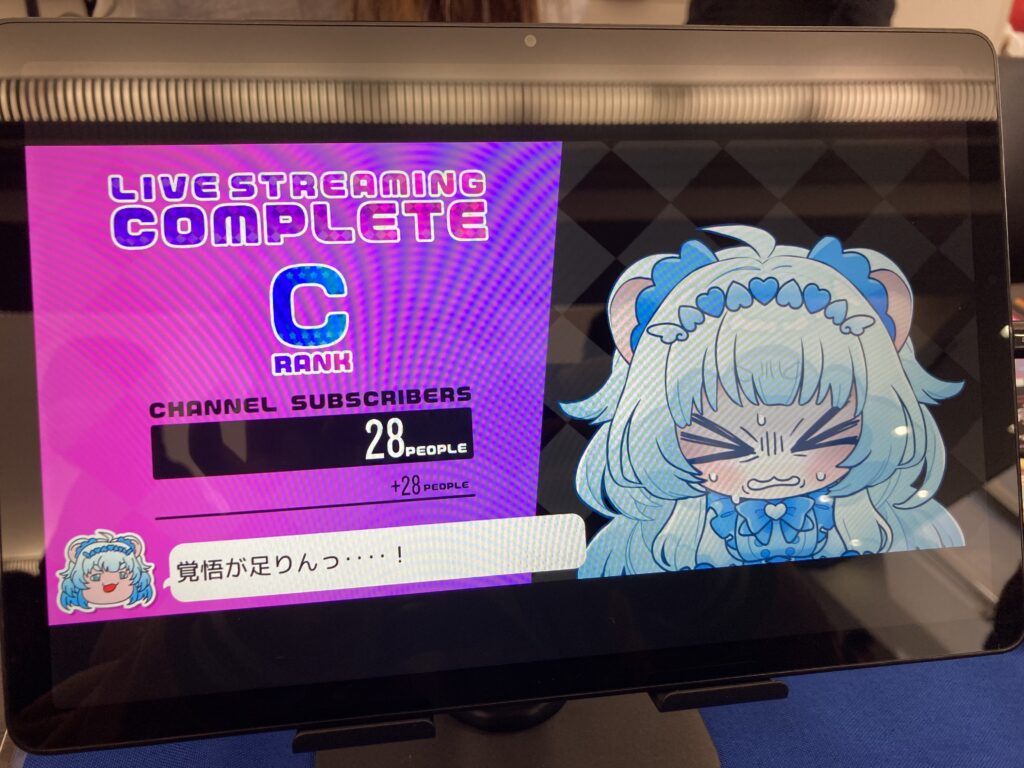
I chose the normal difficulty, which seemed safe, but keeping up was quite challenging. Perhaps it was because I couldn't properly hear the music in the event environment and had to chase the notes solely with my reflexes. Additionally, the unfamiliar swipe, tap, and hold controls contributed to the difficulties I faced... Ultimately, I ended up with a C rank, finishing with only 28 subscribers. It was a disappointing result, but I had to leave my seat as the next player was waiting.
What stands out is undoubtedly the game's concept. An uncle streaming with a beautiful virtual avatar... While it’s an idea that one might think of, it's not easy to put into action. In that sense, it reminded me of our label's "Momo Mottokurashu," which has the concept of "purifying the soul by pinching it with thighs."
What was particularly impressive was the background of the game. The protagonist's room, depicted darkly from the title screen, was so realistic that I couldn't take my eyes off it. The yellowed wallpaper, the dim atmosphere, the TV and calendar, and the newspaper and cigarettes on the desk, along with a beer. In stark contrast, "Shirapon" is just so cute. It conveyed that the concept was thoroughly thought out to not just remain a concept but to genuinely evoke that darkness. It's a subtle yet significant aspect.
Due to time constraints, I couldn't have many conversations, but since this was my first encounter with the game at the event, I'm looking forward to its future developments. Let's move on to the next game, hoping to reunite at the Tokyo event.
Come and Munch: The World Beyond Letting Go of Memories
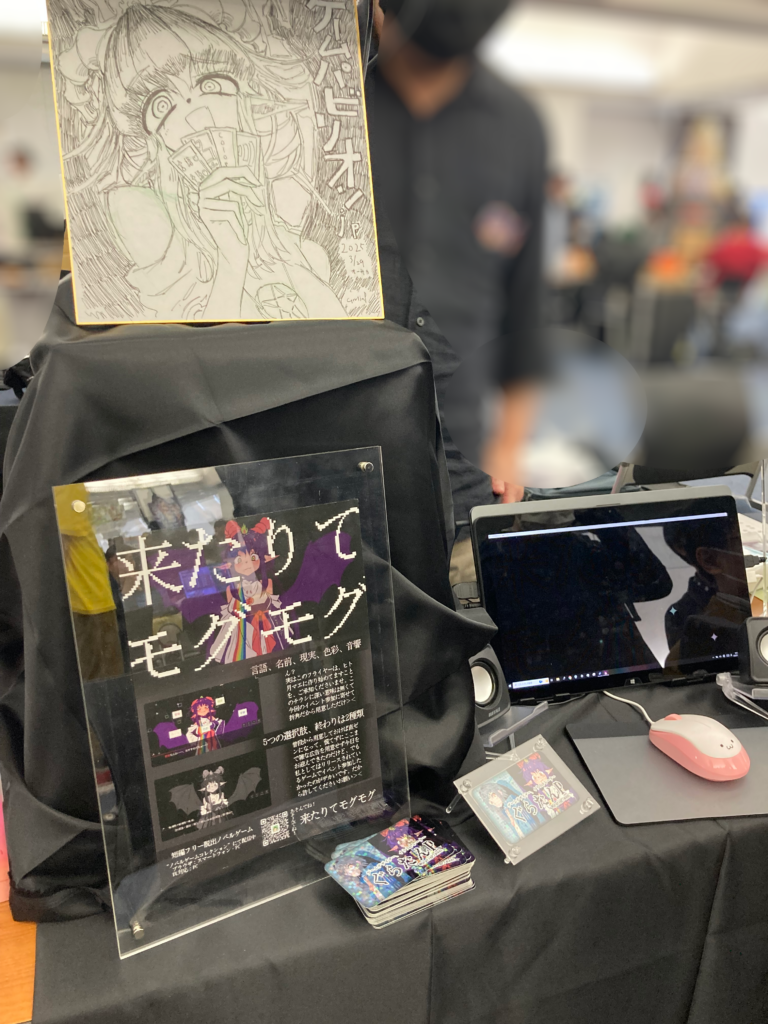
the impact from the hand-drawn illustrations was incredible.
Next up is 'Kairite Mogumogu'. According to the description shared at the event, it is a super short novel game. This work, which was actually released in the novel game collection, had a short playtime of 15 minutes, but its content was anything but brief. If I had to sum up the game's characteristics in one word, it would be "meta."
The story begins with an unidentified being that suddenly appears before the player, stating that they must hand over four out of five memories that exist within the game. The five memories that the protagonist can hand over are "Name," "Language," "Reality," "Sound," and "Color." The choices made here literally disappear from the game, and the player will explore the ending until they can hand over the last fourth memory through hints within the game.
The unique world view and setting of handing over memories, along with the innovative structure that reflects this as a game element, caught my interest, and it was one of the games I was looking forward to even before the event started. The gameplay is literally a choice-based novel game. There's no need to overthink it; you simply select from the given options, but this unique system allows players to engage their thoughts and curiosity.
For example, I initially chose "Language." This was because there was a line that particularly recommended choosing language. Once I selected language, the text on the screen transformed into a jumble of characters mixing kanji and special symbols (the kind you often see when a language module malfunctions), leaving me to fumble through the game without understanding what the character in front of me was trying to say. Moreover, even the remaining four options had distorted text, leading me to a situation where I couldn't even tell what I was selecting next.
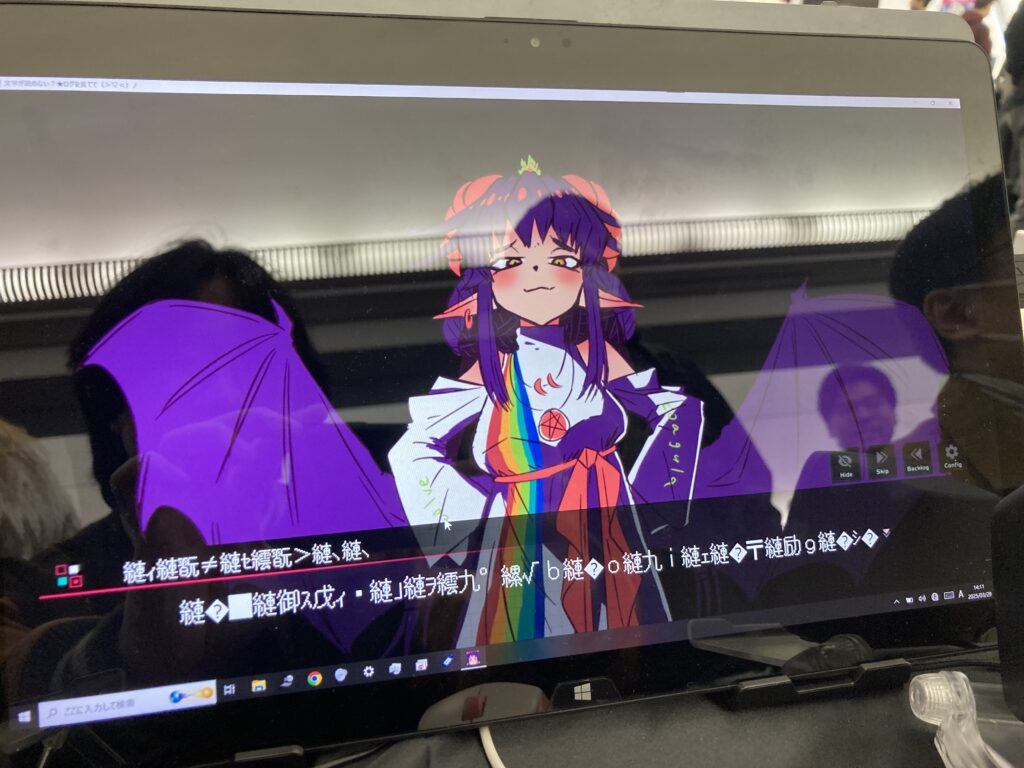
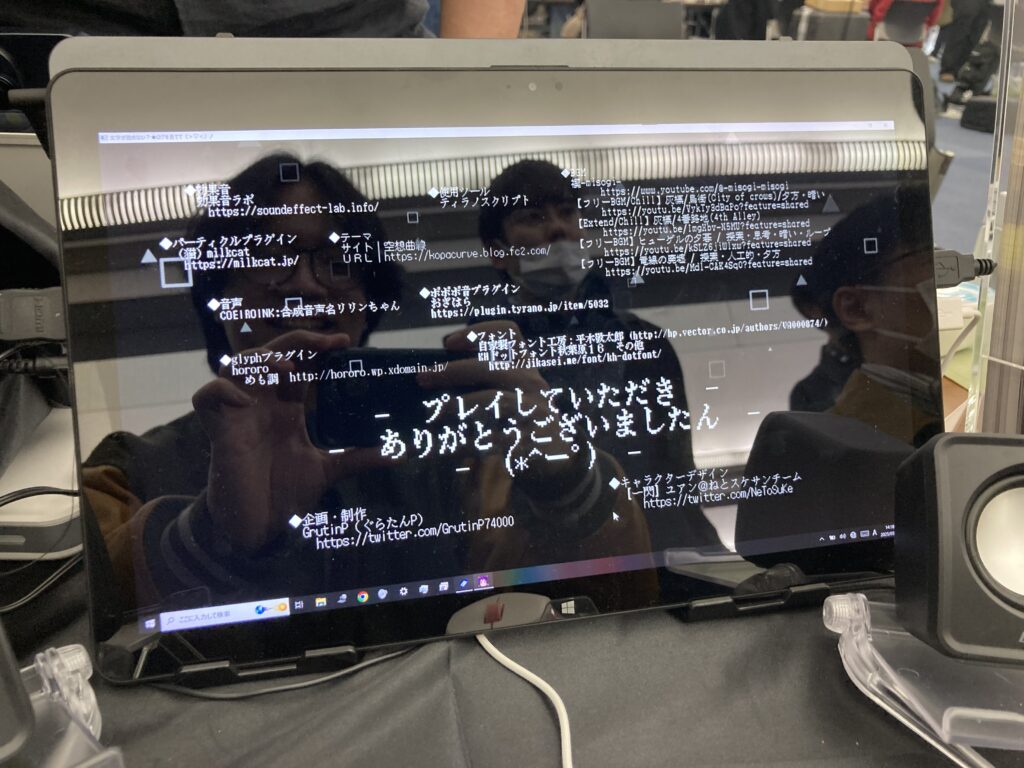
It's impressive to remember it.
During my playthrough, the creator informed me that just because you lose a memory doesn't mean you can't cope with it. For example (this might be a bit of a spoiler, so skip ahead if you're sensitive to that), in the case of language, you can check what the other person said through the log records commonly seen in novel games. In this way, even though it seems like a simple game where you just choose options, players are encouraged to think more deeply about their actions, and through that thought, they can overcome the results of their choices within the game's system.
What impressed me the most was hearing in conversation with the developer that this game was made using TyranoBuilder. Of course, it requires direct editing of TyranoScript. Some of you may have already guessed from the earlier mention of it being released in the novel game collection, but personally, I was quite shocked to learn that such a wonderful game could be created with TyranoBuilder, as I had little experience with it.
At one point, while producing a novel game, I had experimented with various challenges using Unity, but I never expected that such an amazing game could be made with TyranoBuilder, which I had passed on at the time. While I do feel a bit of "it's too late now," this game made me think that I need to properly check out the titles in the novel game collection made with TyranoBuilder in the future.
The Charm Woven by "Front and Back"

What I felt through the two games introduced this time, 'Super Fusion Babioji Syndrome' and 'Come and Munch Munch', is the charm of "front and back" that indie games can achieve.
On the surface, they are adorned with cute characters and user-friendly UIs, yet their true nature holds unexpected content and depth—this can be seen as an attempt unique to indie games, allowing for more free thinking and creativity.
In 'Super Fusion Babioji Syndrome', the very setting of an uncle behind a beautiful virtual streamer represents this duality, while in 'Come and Munch Munch', the element of "memories" that can be lost through choices alters the player's own experience.
The works I encountered in Osaka also pose fundamental questions like "What is a game?" and "What is an experience?", leaving a lingering aftertaste that stays with you long after playing.
In the next third installment, titled "Indie Games That Pour Their Heart and Soul into Design and Feel," I will introduce three works that boast a level of quality that rivals major titles, despite being indie. Stay tuned!