

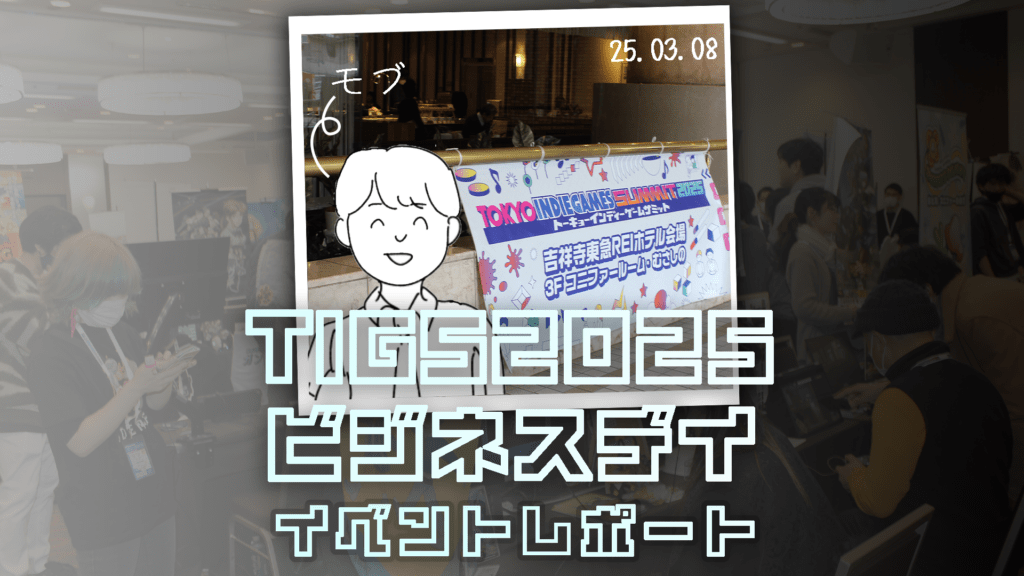
Hello, I'm Mob. I'm a beginner in Unity development on the Negolove team at SKOOTAGAMES. Usually, I'm just a person who casually makes games and goes home, but this time I've been assigned to report on the Tokyo Indie Game Summit (TIGS2025).
Writing articles isn't normally my responsibility, but before I knew it, I had become a special correspondent for event reports... Well, it's not a bad thing, so I'll do my best to write this time as well.
This time, I want to focus on "accessible gameplay for everyone" and introduce some indie games that caught my eye. At first glance, the controls may seem simple, but by touching on the deep thought and gameplay hidden behind them, you might once again feel the depth of game development. They say true refinement lies within simplicity, and the games I'm introducing this time are perfect examples of that. Now, let's take a look.
Nose and Flower: Sniffer's Delight - A Nostalgic Simplicity
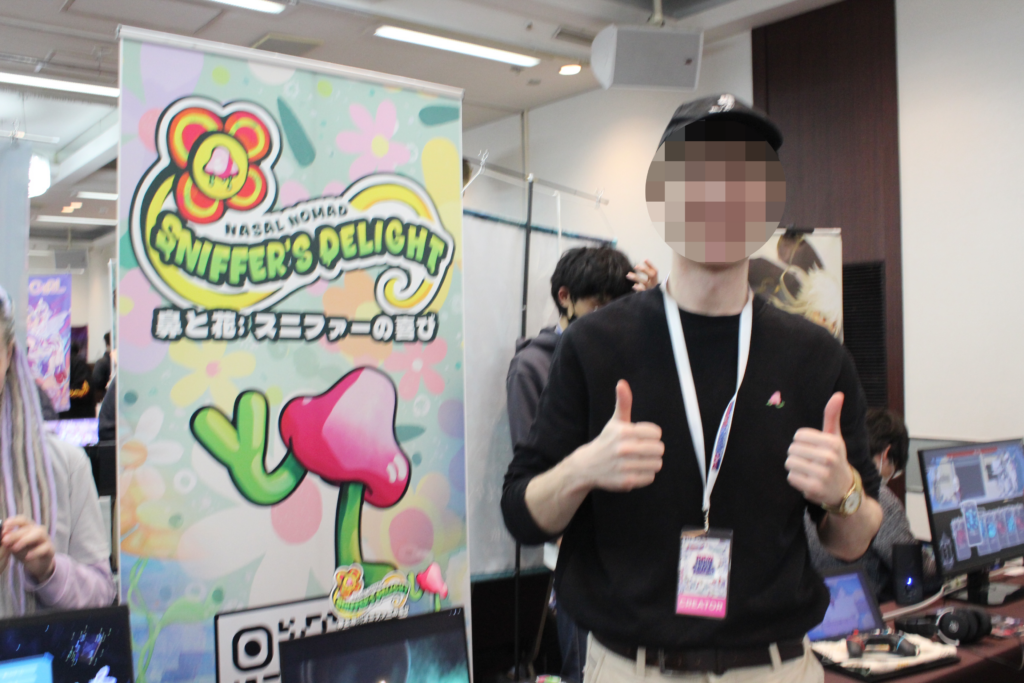
First up is "Nose and Flower: Sniffer's Delight." I became interested in this game because it garnered a significant number of votes at the TIGS2025 voting awards. I thought, "There must be a reason everyone is paying so much attention to this," so I decided to give it a try.
What I found particularly interesting while playing was, without a doubt, the controls and stage design.
The game's controls seem simple at first glance. You move the protagonist, who is shaped like a nose, to explore a vast map, but there’s an interesting constraint. Every time the protagonist moves or performs an action, they lose oxygen. To replenish this, you need to get close to the flowers blooming all over the map and take a breath. These flowers also serve as checkpoints, adding tension to the gameplay.
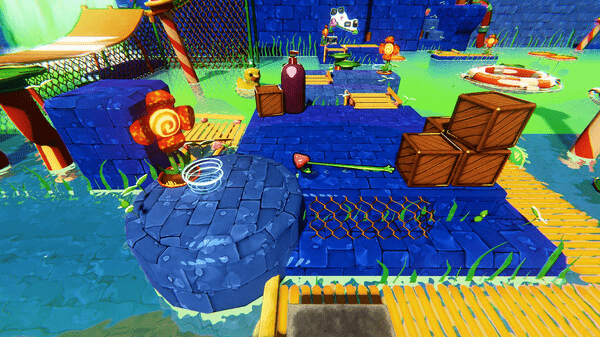
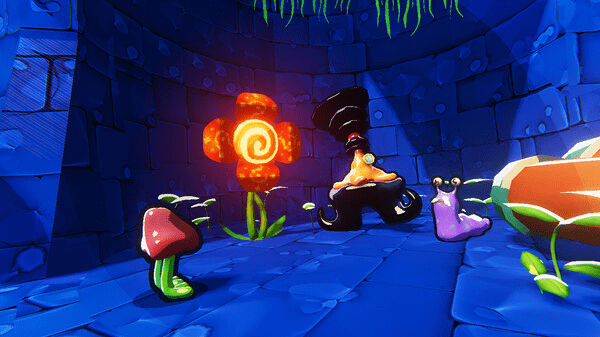
However, the true charm of this game lies beyond the basic actions of "moving and jumping." The protagonist can stretch their limbs and leap forward like rubber, or break through obstacles that resemble boxes in front of them. The unique visual style combined with the bouncy, playful control feel is truly enjoyable.
What I appreciated most was that these controls were designed to be clear and intuitive. And in line with that control style, the game was filled with various obstacles and gimmicks. Simply put, within the structure of "a limited time to move" and "obstacles that hinder that," the unique control feel provided a sense of breakthrough that kept the gameplay engaging, even when just traversing the map.
Personally, this map design reminded me of the gameplay I once enjoyed on the "Nintendo 3DS," evoking a sense of nostalgia. In a way, this intuitive control style may have been influenced by past games that had a simplicity allowing anyone to play.
By the way, just to add a little side note, the title of this game is also extremely memorable. "Nose and Flower" is such a cleverly chosen name that it feels like it was intentionally crafted. When I asked the developer, they mentioned that the original title "NASAL NOMAD SNIFFER'S DELIGHT" had nothing to do with it and that it was an idea that emerged as a sort of punchline during the localization process. I felt it was a very excellent choice that best represents the game, despite its simplicity.
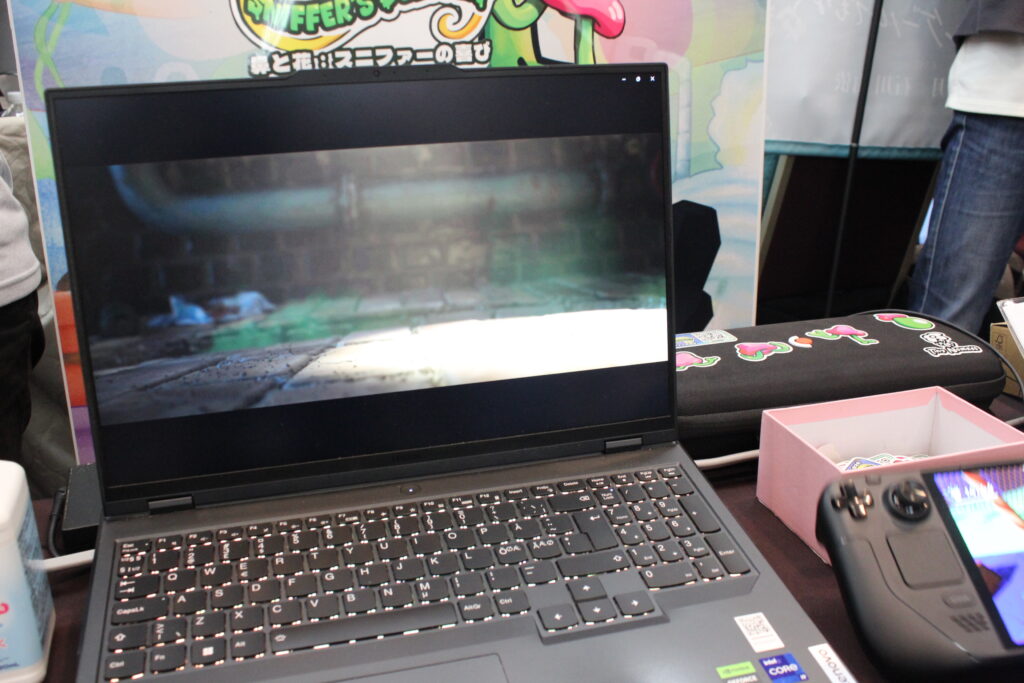
Additionally, through conversations with the developers, I was able to hear about the origins of this game. It seems that it originally started with a team formed during a game jam, and they won the competition at that time, which sparked the development. They are currently progressing the project towards an actual product release.
There are truly various cases in indie games, but I find the biggest charm in the moments when such coincidences lead to a game that we can actually enjoy. That’s where I feel the most attraction.
This "Nose and Flower" seems to have missed out on winning the TIGS Award this time, but judging by its popularity at the venue, it might become a beloved game for many players upon its release. Personally, I am eagerly awaiting its launch.
I Write Games Not Tragedies―Novel + Rhythm + Scream (?)
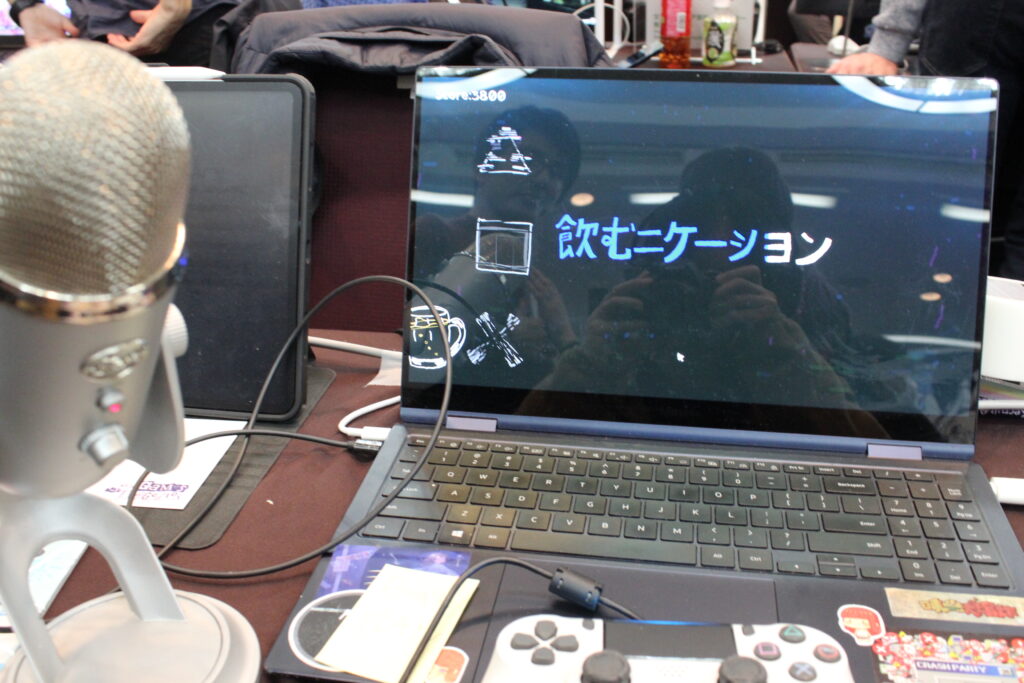
Next up is "I Write Games Not Tragedies." What caught my eye first was its unique art style. As introduced on the Steam page, this game is heavily influenced by the emo style and goth subculture from the UK. The rough art style, which is not commonly seen, and the microphone placed next to the laptop piqued my interest, prompting me to try it out immediately.
When I was first introduced to this game, I heard it described as "a style that combines narrative novels and rhythm games." The combination of a novel and a rhythm game was somewhat unfamiliar, but it didn't stray far from my expectations. The controls were similar.
This game is basically structured with 70% narrative and 30% rhythm game, following the typical format of a visual novel, where story progression through clicking occupies the main part of the gameplay. The rhythm game parts, while varying slightly by section, were fundamentally close to a format where you input notes using three buttons. In terms of difficulty, it was not particularly hard, making it a simple and gentle game that could be played without special instructions.
The story revolves around Ash, a music-loving teenager, who grows through conversations and events with those around him. While it has a somewhat typical theme, it’s a rich theme that is not often seen in recent games. I perceived it as a growth drama where the protagonist, trapped by their solid values and hobbies, finds it difficult to accept others, gradually growing through interactions with the people around them.
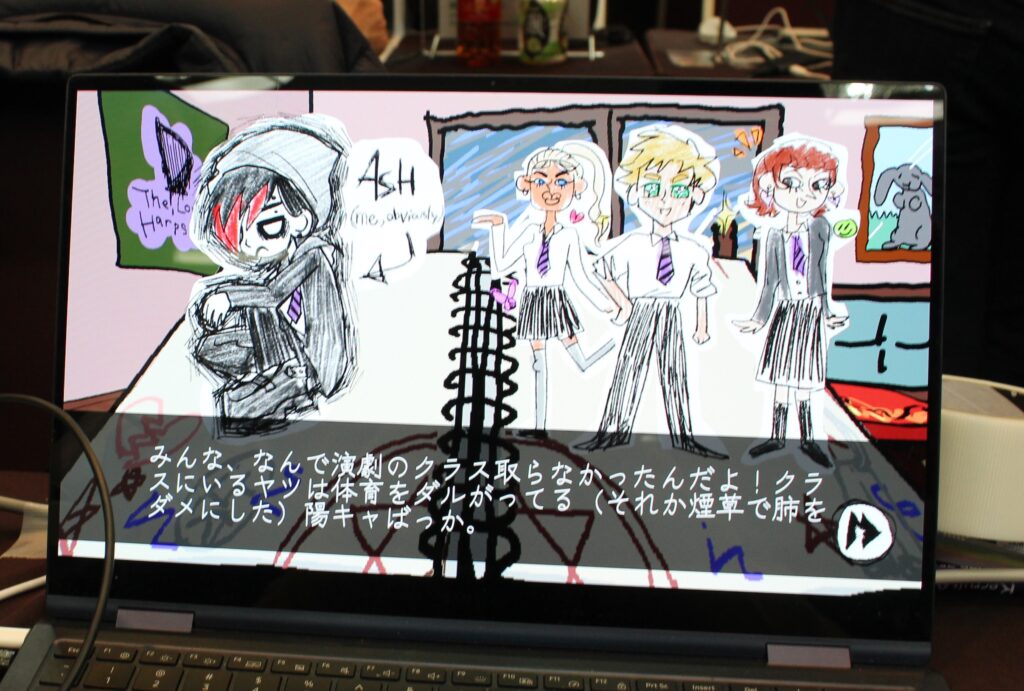
They definitely look like a character with a strong personality.
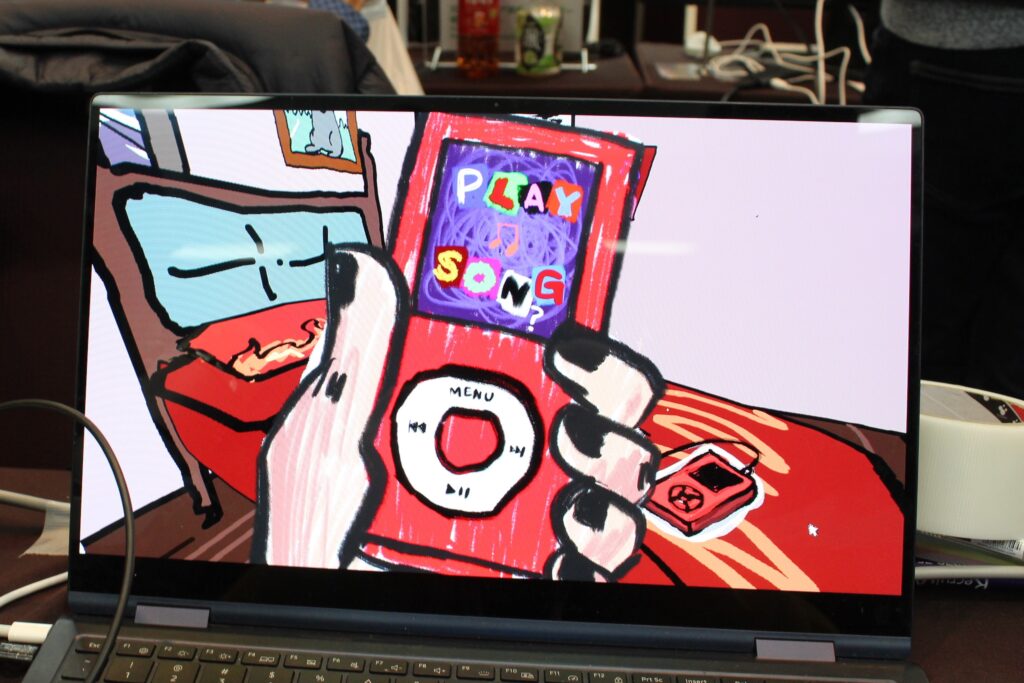
The story unfolds from Ash's perspective, that of a young adolescent, which gives it a somewhat high school drama-like impression. However, it ultimately depicts the process of growing into adulthood, and the heavy dialogue and themes that emerge from that were well-handled in this game. Simply put, the most intriguing point may have been that we could indirectly feel the "nostalgia" of the creators through this game.
As mentioned earlier, this game is structured with about 70% visual novel and 30% rhythm game, with each part serving different roles. The visual novel primarily drives the story forward. It starts with the introduction and explanation of the protagonist and surrounding characters, and through the novel part, it narrates many elements such as the progression of events, interactions with the environment, and the protagonist's psychology.
In the rhythm game part, based on the understanding of the protagonist's psychology and the nature of events gained from the preceding novel part, unique rock-style music plays, providing moments to focus more on the lyrics and the protagonist's feelings. Finally, there is a unique system called the "Scream Part," where players use a connected microphone to scream and earn scores. This is truly what rock and roll is all about.

Before I forget to mention, overall, the music was fantastic. I wanted to buy the audio track even before the game was released. I usually don't listen to genres like emo rock, but despite that, the moment I heard the music from this game, I felt more impressed than when I listened to any other game music this time.
I was a bit embarrassed to scream loudly during the scream part, but I thought it was nice to feel like I became one of Ash's companions by screaming along. If it gets released in the future, the music will undoubtedly be the most anticipated part.
In my conversation with the developers, I heard about future release plans. It seems that the current Steam page states that Japanese is not supported, but the version played at the event showed an excellent level of localization that posed no issues for gameplay. Of course, there was a slight translation-like atmosphere, but I feel that a game of this genre and theme would be lacking without that kind of flavor. I expressed my hope that they would support even more languages. The developers mentioned they are considering it, so I am hopeful that in the future, it will be playable in more languages, including Chinese and Korean.
FREEZIA―Uneasy Resonance Hidden in Simplicity
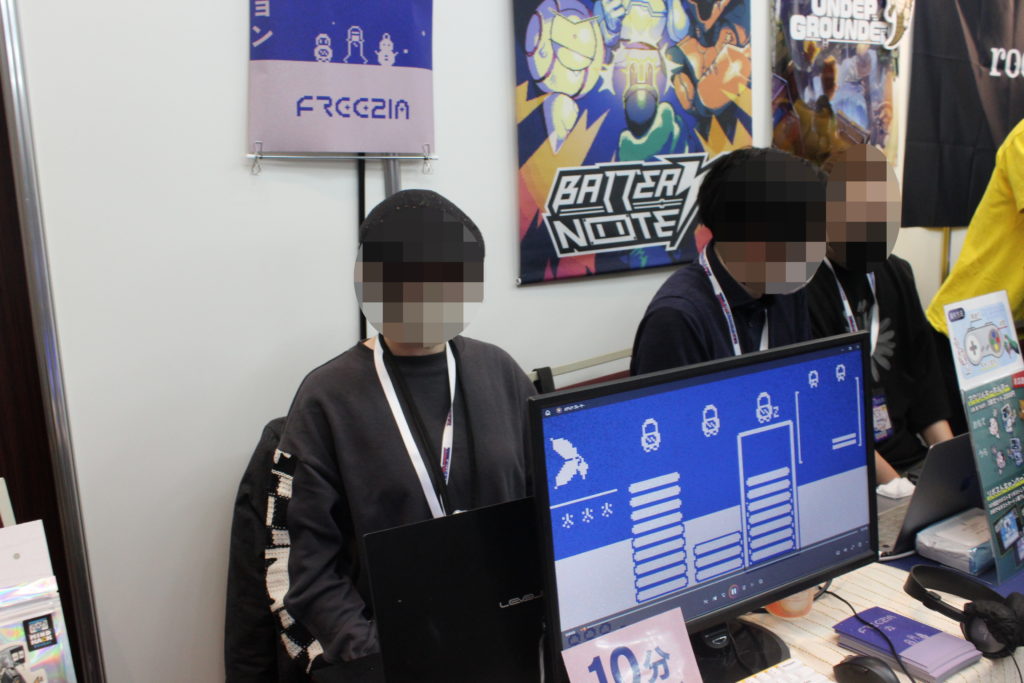
Next up is "FREEZIA." You play as an artificial intelligence named "Freesia," managing humanity's cryogenic sleep and stabilizing the temperature of sleep pods in this puzzle action game.
The puzzle mechanics of this game were very simple. The goal is to adjust the temperature so that the people in the cryogenic sleep devices can sleep at the appropriate temperature. Specifically, players can raise or lower the temperature using the ↑↓ keys while watching the battery-shaped temperature display screen shown in front of them through the protagonist, Freesia. When each temperature is aligned with the proper line, a countdown for "ALL OK" begins for temperature checking, and as long as no issues arise before this countdown ends, you win.
At first, it was simply a puzzle where you used the arrow keys to match the number of batteries, but as the game progressed, capsules that automatically raised the temperature were added, gradually increasing the difficulty. I believe this is what makes the puzzle aspect of the game interesting.
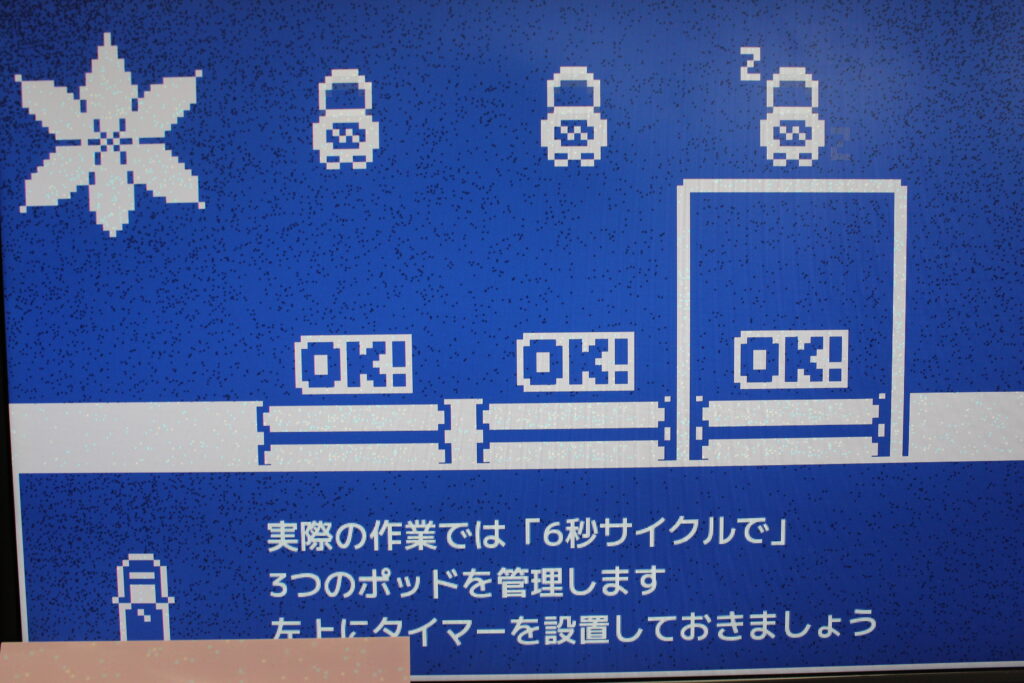
The controls themselves were quite straightforward. What I mentioned above covers almost everything, but with the addition of capsules, a feature to switch temperatures will likely be introduced, suggesting that more elements will be added in the future.
However, the combination of the near-futuristic setting, the unique premise of adjusting the temperature of a cryogenic sleep device, and the extremely simple screen layout and design make this game feel far from a "normal puzzle game." I felt that this was the charm of the game. In a somewhat dark, dystopian world, simple controls intertwine, creating an indescribable sense of discomfort that lingers throughout the gameplay.
In simple terms, the unsettling world where people can freeze to death or die from overheating adds an extra layer of imagination to what is essentially just a game about adjusting the number of blocks. This left a deep impression on me, leading me to wholeheartedly decide, even after a short play session, that "I will definitely buy this game when it comes out."
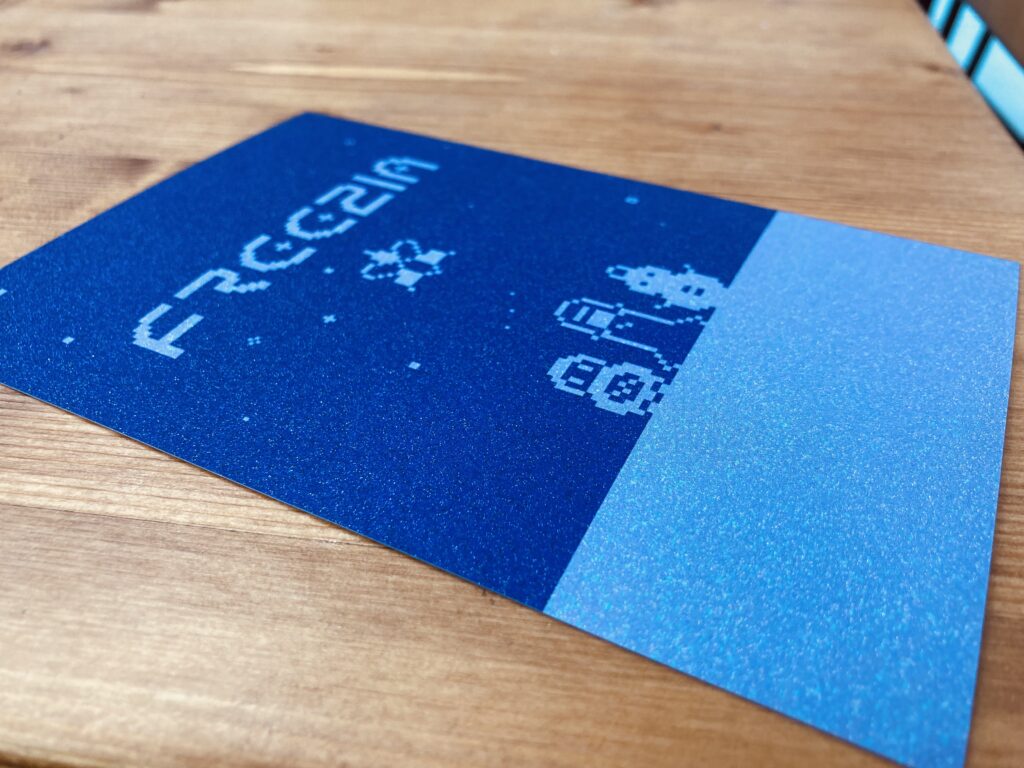
Along with the described gameplay and world, what caught my eye at the event was the postcards distributed at the booth. Despite the game design being fundamentally composed of just two colors, the postcards had an indescribable richness to them.
Upon closer inspection, the postcards were made of a special material that sparkled like glitter, and the glossy finish harmonized with the deep blue screen, creating an illusion of twinkling stars. If you look closely at the game screen, you can see a particle-like glitch constantly displayed, which might have drawn attention to such details. In any case, these postcards made from this special material stood out distinctly among those distributed at other booths.
While the simple gameplay offered many lessons, I also learned a lot from the attention to detail in these finer aspects. I look forward to seeing further developments and meeting again at other events.
A Passing in the Night―A Mysterious Experience Created by a 10-Minute Walk
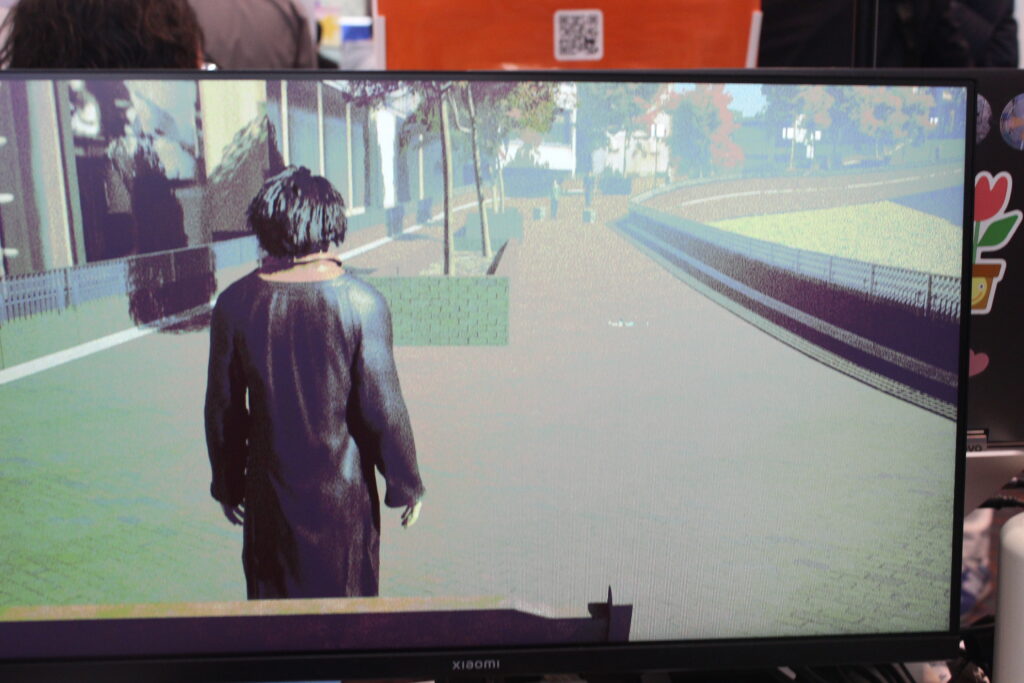
the impression it leaves is quite strong.
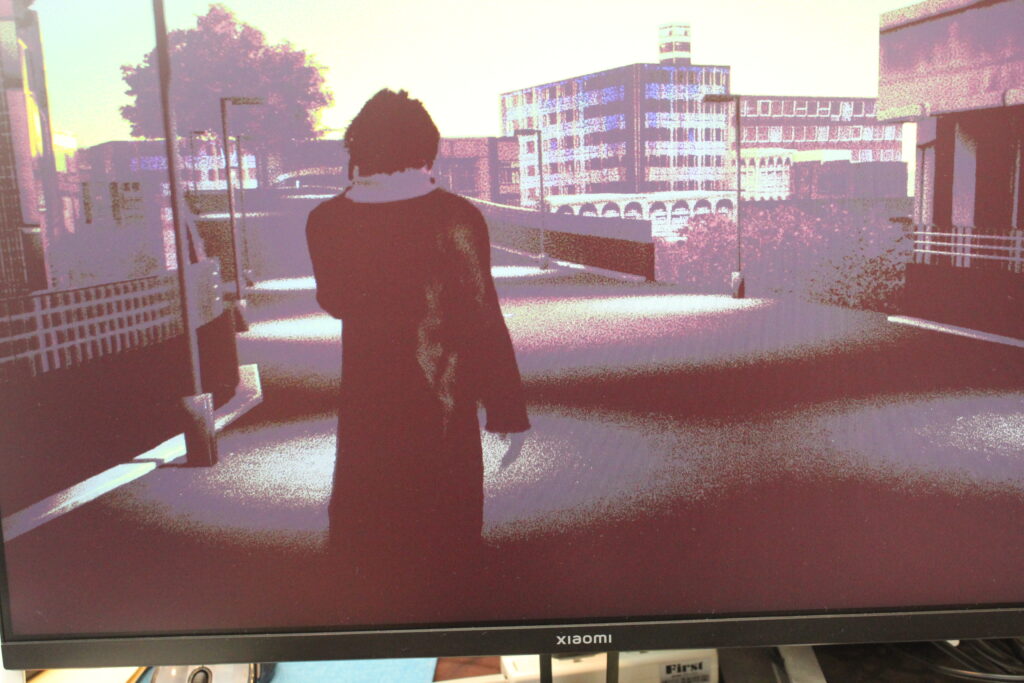
"How about a 10-minute 'walk'?" Drawn in by this booth's catchphrase, I decided to play this game called "A Passing in the Night". True to its words, the demo of this game was simply a 10-minute walk, where you walked while on the phone. Despite the basic controls being just moving the joystick on the controller, it left a very deep impression.
The part described on Steam as "where reality and nightmares intertwine" might be the most crucial aspect of this game. Initially, the cityscape that seemed obviously real suddenly confronted the player with bizarre surrealism (like a giant foot crashing down towards the protagonist from somewhere), and it was at that moment that the player, who had been feeling somewhat calm, first noticed the change and began to immerse themselves in the game world.
While I didn't learn much through this cinematic-like development, as is often the case with well-crafted games, it instilled a sense of frustration and anticipation, making me think, "I can't help but wonder what happens next."
As mentioned earlier, there are no special controls in this game. However, I appreciated that when using the controller, you could determine the screen's direction with the right joystick. This was because the unique graphics and expansive map combined to create a stunning view of the town that could be seen in-game.
Personally, if I enjoy walking, I prioritize seeing the town's scenery, so I believe this walk at the event was a great success in fulfilling that need.
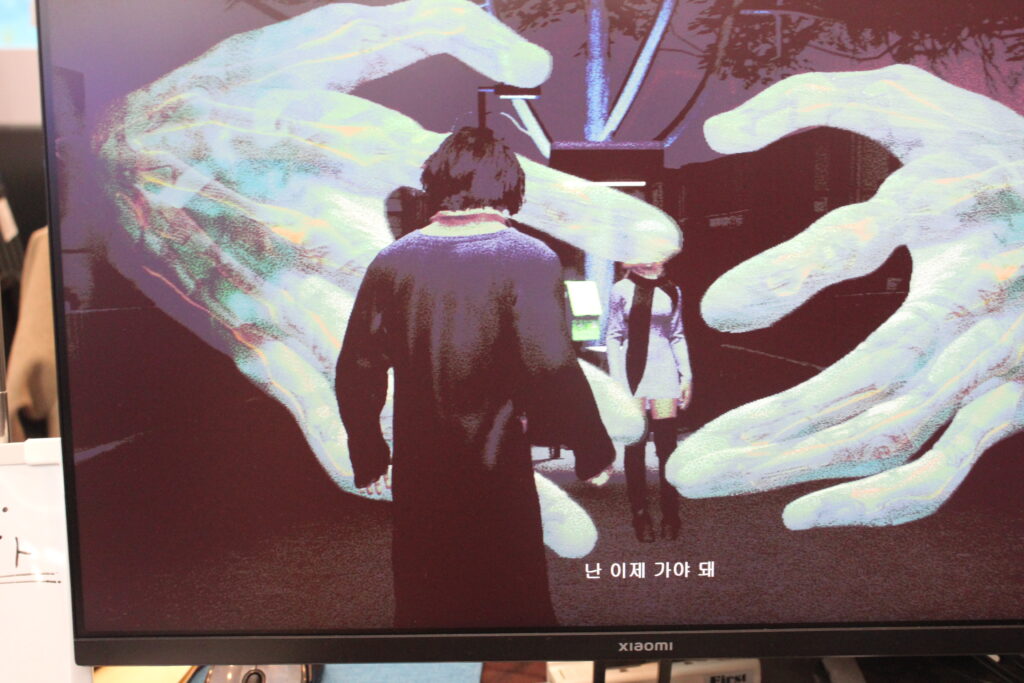
One additional note about the game content: there is a section where you can choose options based on the call content, but I thought it was nice that the story progresses even if you don't select any options, creating a sense of immersion based on the call content.
Visually, the aforementioned scenery was impressive. Starting from dusk and flowing into night, the sunset view from the bridge was magnificent.
As for the auditory elements, it was definitely the voices. This game supports Japanese, English, and Korean, and remarkably, all languages had voice acting in this demo. It's noteworthy that voice dubbing, which typically requires a considerable scale, has been implemented in an indie game.
While I'm not sure how it will be when the actual game is released, the voices I heard at the event felt so natural, as if I were eavesdropping on a passerby's phone conversation. Considering that this can be enjoyed in other languages as well, I can't help but look forward to the upcoming release. This is just my expectation, though.
Everyone and Anyone - "Distortions of Perception Created by Just Pressing a Button"
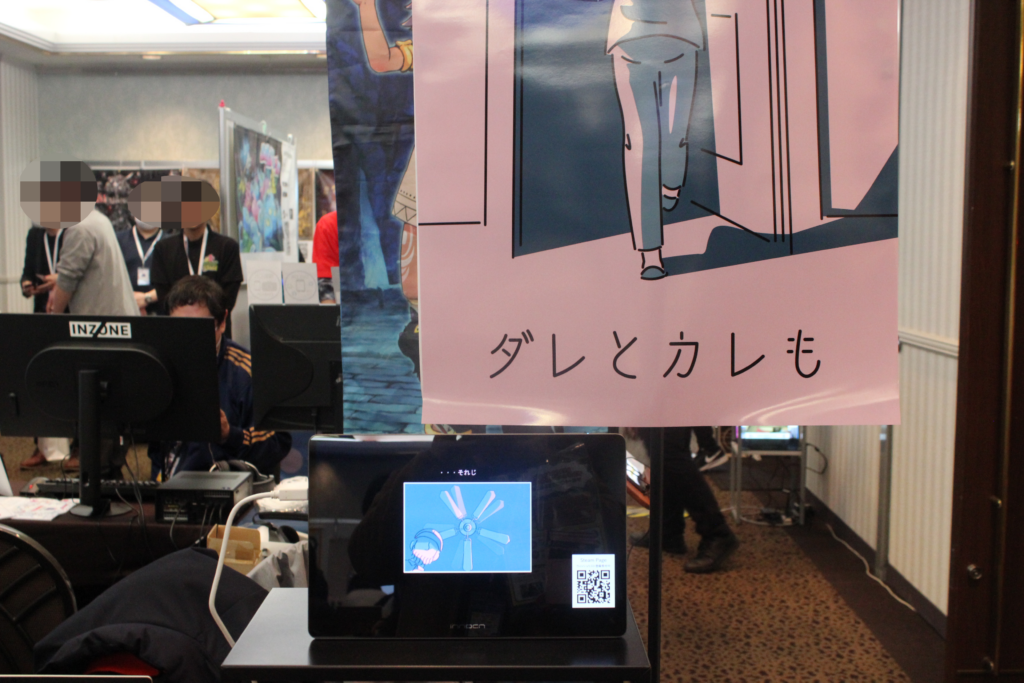
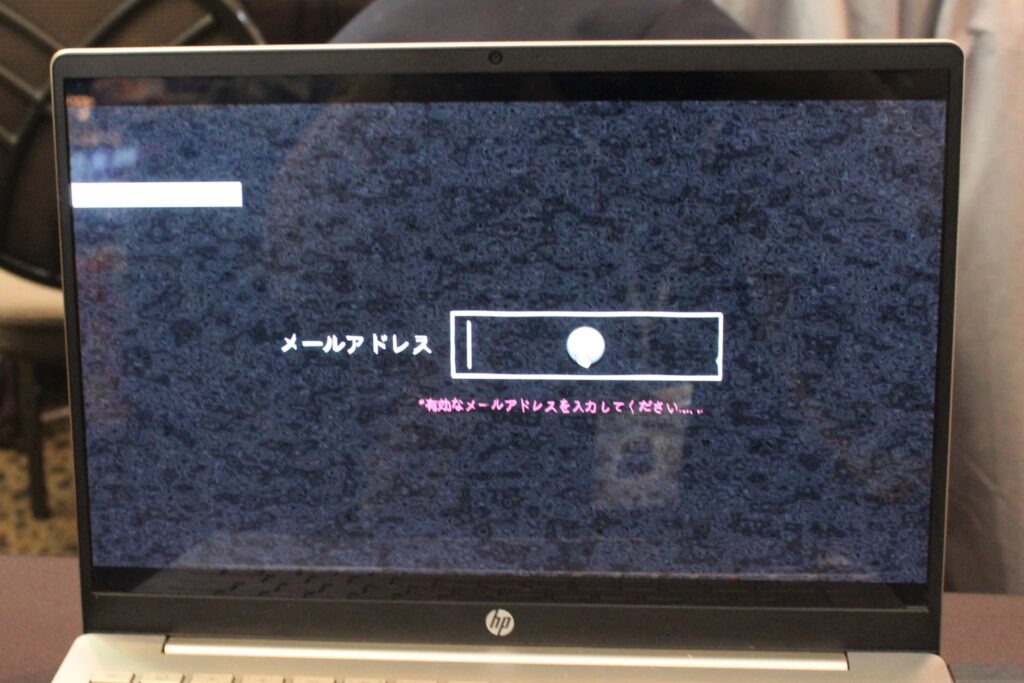
If I had to name the game that shocked me the most at this event, it would undoubtedly be "Everyone and Anyone." First, let me say this: this game is simply about pressing the "button" displayed on the screen. However, due to the surrounding circumstances and the information displayed on the game screen, we end up performing actions that we don't particularly need to do.
This might be what the game describes as "distortion" on its Steam page. For example, while playing, a prompt appears asking you to "enter a valid email address," along with an input field for your email. Naturally, as you reach for the keyboard to type something, instead of entering anything, the text "please press the button on the screen" gradually fills in the left corner of the screen.
It felt as if the game was guiding a distortion in the player's perception, leading to interactions that matched that distorted behavior... I felt like I was being danced around in the palm of its hand, yet strangely, I didn't find it uncomfortable; rather, I found it interesting. Various puzzle-like screens appeared from time to time, but fundamentally, I should mention that no operations were required other than the "press the button" action I just described.
Let me explain why I think this is truly amazing. Pressing the button displayed on the screen. What kind of enjoyment can players derive from such an action? Such simple operability always carries the risk of being perceived as "just boring." However, the way this game makes players feel that searching for and pressing the button is enjoyable, without making their actions feel tedious, seems to be meticulously calculated.
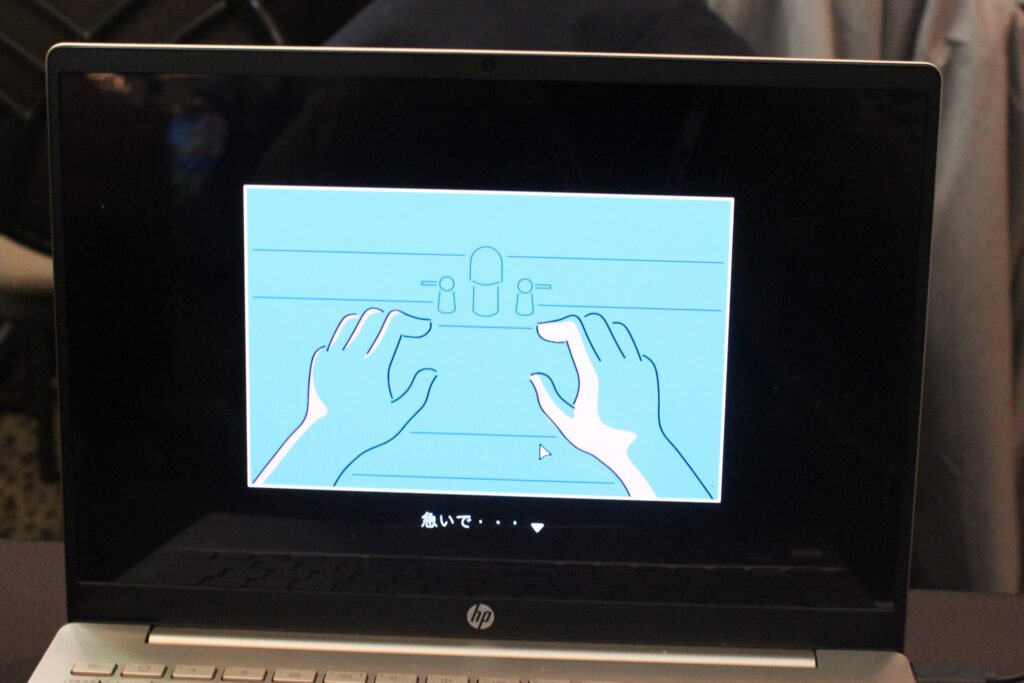
Through this game, I felt that simple operability must be constructed with meticulous and complex thinking more than anything else. Therefore, this game is designed to easily draw out the player's "distortion," while simultaneously making it unavoidable. Every time I see something like this, I think, simple is best. At the same time, it’s not something anyone can do. I was simply in awe of the structure that, while impressive, cannot be easily replicated.
Additionally, to avoid any misunderstandings, I want to add that this game is not just a title that attracts attention solely for its gameplay. The light yet warm art style (which reminded me of the interactive novel "Florence") and the detailed yet delicate sound quality were all of a quality that couldn't be overlooked.
The story is also intriguing, so let me introduce it briefly. The plot unfolds with a completely unknown man entering your house after you wake up, claiming, "This is not your home"…! It is set to be released on Steam this year, so it seems necessary to keep checking. If there are those who couldn't experience it at this TIGS, I highly recommend playing it at other events!
Reflecting on TIGS2025 - What is Operability in Games?
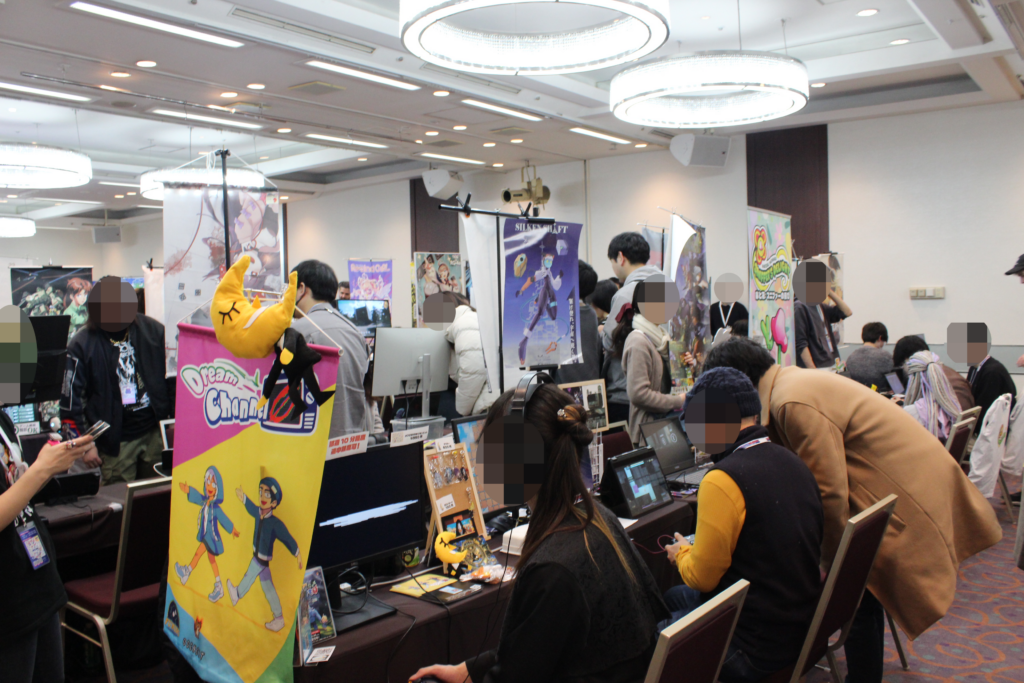
Having introduced five game titles, I realized that when considering the theme of "operability accessible to anyone," there are indeed various approaches.
The protagonist, shaped like a nose, embarks on an adventure while inhaling the scent of flowers in 'Nose and Flower: The Joy of Sniffing', which combines intuitive controls with nostalgic game design, making it enjoyable even for first-timers.
'I Write Games Not Tragedies' depicts inner growth alongside music, teaching us that the combination of simple novel parts and rhythm games can express complex psychological portrayals.
The management of human cryosleep in 'FREEZIA' offers a remarkable balance of controls and world-building, allowing players to experience a mysterious dystopian world with just simple up and down movements.
'A Passing in the Night' demonstrated the potential for a simple act of walking to be transformed into an incredibly rich experience.
Meanwhile, 'Dare to Care' was a challenging attempt to question our very perception through the most basic action of "pressing a button."
I believe each game successfully encapsulated a deep gaming experience within simple controls. The idea that "anyone can play" does not equate to "shallow"; rather, it may represent a highly advanced achievement born from creativity within those constraints.
By the way, we at SKOOTAGAMES also showcased our new titles 'Mandragora Seeker in the Creep Zone' and 'Thigh Bunny: Cash me or Crash me!!' at this year's TIGS. However, our games may not align with the theme of this article, so we'll discuss them in more detail another time.
Progress on Negolove?… Hopefully, we can meet at some event later. Well, it's about time to wrap up, so I'll conclude today's report here. Until next time.