

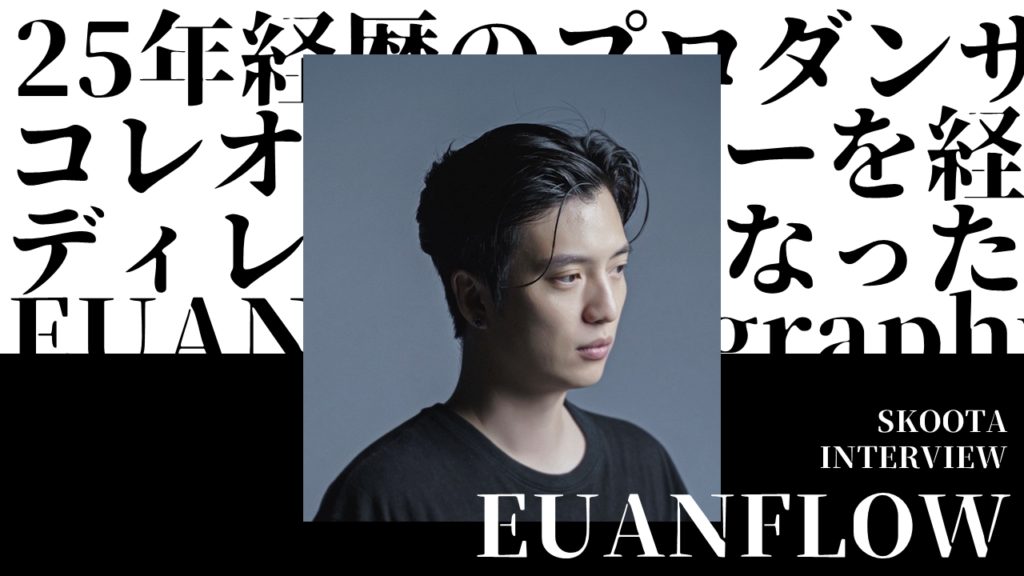
EUANFLOW, the choreographer and video director responsible for the choreography of famous groups like Itzy, Twice, and NiziU, which even those who are not familiar with K-pop may have heard of.
Having operated a dance studio (ALiEN Studio) in Korea for nearly 10 years, he is now expanding into Japan starting from 2022. EUANFLOW is involved not only in choreography but also as a director in the production of the content itself. Why did he choose the path of choreographer and director instead of being a dancer?
And what are his own visions and thoughts regarding his expansion into Japan? In this interview, SKOOTA spoke with him in Korean, with the help of interpreter Shin Wuis, to hear his "raw thoughts."
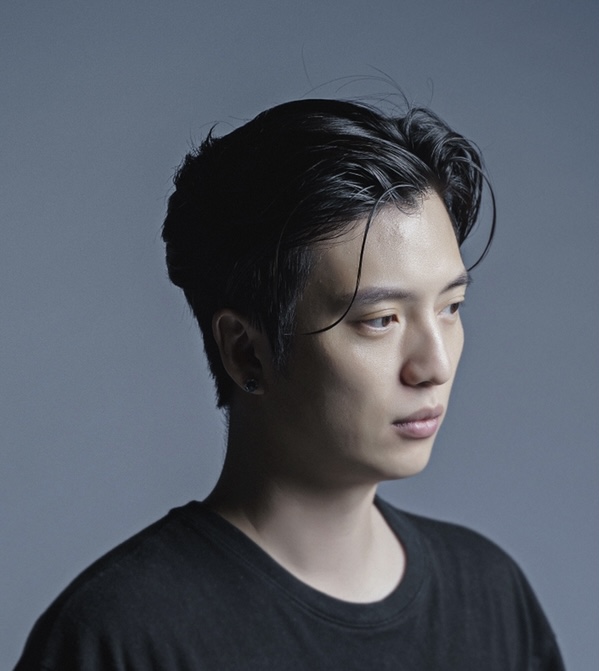
Interviewee: EUANFLOW
Active as a professional dancer for 25 years. Established ALiEN DANCE STUDIO in 2016 and serves as its representative.
■WORK
・NiziU - Take A Picture, ASOBO
・TWICE - Perfect World, Fake&True etc.
・ITZY - Dalla Dalla
・PRISTIN V - Spotlight
・gugudan - Be My Self, Not That Type
and many more
The trend of "dance" that changed a quiet child who loved reading: "I never thought I would appear on TV"

[blogcard url=”https://www.aliendancestudio.com/”]
――Before we start the interview, could you please introduce yourself for those who may be hearing your name for the first time?
EUANFLOW: Nice to meet you, I am EUANFLOW, a professional dancer active in Korea for 25 years. I currently run a dance company called ALiEN for 9 years in Korea. I hope to connect Korean and Japanese cultures and produce amazing artists in Japan, just as I have done so far. Thank you for your support.
――SKOOTA has talked to various creators so far, but this is the first time interviewing someone like you, EUAN. First of all, can you tell us what inspired you to start dancing?
EUANFLOW: When I was in the third grade of elementary school, artists like Hyun Jin-young and Seo Taiji and Boys appeared on TV. I thought it looked interesting, so I started imitating them as a hobby, and I enjoyed it.
Before that, I was the type who read a lot of books and studied hard. But after I started dancing, I was almost only doing that. I danced as a hobby until high school, but I never thought I would appear on TV through dance.
One day, a friend who was learning dance from me auditioned for a professional dance team during winter break and got accepted. So I thought, "If someone who learned from me got in, I can do it too," and I auditioned for the next team and joined.
――Back then (in the early 1990s), it was the heyday of dance singers, right? Before you were exposed to dance through the media of television, you were a quiet child who loved reading.
EUANFLOW: That's right. I was a really quiet kid (laughs). I liked games too, but I read a lot more books.
――What was the reaction of those around you when you started dancing?
EUANFLOW:Actually, my relatives had high expectations for me because I was always reading books since I was little, thinking I would surely become a great person in the future. They thought I might become a judge or a prosecutor. But after I started dancing, I found studying boring and even said, "I'm going to quit high school." I thought it was impossible to study after not doing it at all during middle school. Then, all my relatives told me, "You have to graduate high school!"
At that time, when the PC-286 and 386 were released, I thought, "Then I want to become a programmer," and I went to a high school in that field. But then I met a friend in the dance club at that high school who was teaching that dance (laughs). That was the beginning.
――Even now, quitting high school is socially unacceptable in Korea, but it must have been even stricter back then.
EUANFLOW:It might have been.
To share a funny episode, I hated studying so much in middle school that I would stick a Japanese manga in the middle of my textbook and read it (laughs).
Shin Wuis:Do you remember what you were reading back then?
EUANFLOW:Well, I think it was things like 'ONE PIECE' or 'Shonan Junai Gumi!' or maybe 'Dragon Ball.' At that time in Korea, there was a trend of rental shops called "만화방 (Manhwa Bang)" that lent out manga. I mentioned I liked reading, right? I read almost all the manga available at the manhwa shop I frequented.
Even though I hated studying so much in middle school that I would read manga in my textbooks, I didn't have the confidence to do "night self-study (야간자율학습)" when I got to high school. So, that's how I ended up in the situation I mentioned earlier.
"Night self-study (야간자율학습)": A system in Korean high schools where students are made to self-study in classrooms or separate spaces after regular classes end. Until the early 2010s, many schools forced participation. (Note)
――So, you were exposed to Japanese culture from a young age?
EUANFLOW:Yes, that's right. Even now, of course, but Japanese manga was incredibly popular in Korea back then, and in terms of animation, it was number one in the world, so it would have been strange not to be exposed to it. I think there was hardly anyone my age who didn't read Japanese manga.
Shin Wuis:It's like K-pop and Korean dramas today.
EUANFLOW:Yeah, I think so.
The Limits I Felt After Joining a Professional Team and the New Goal I Found: "A New World Opened Up"
――For those who may not know much about this field, what do you think is the difference between a dancer and a choreographer? Some might not even know the meaning of choreographer. I would like to hear how you transitioned from being a dancer to a choreographer.
EUANFLOW:I think it’s easier to understand if I start from my childhood.
I joined a professional team called "ING" when I was 18 in Korean age, 17 in Japan. It was a team that was very popular in Korea at that time. At that time, I had been dancing since I was young and only danced with friends, so I thought I was really good. But when I joined that team, it was like a new world opened up, and I realized how much of a frog in a well I was.
The most surprising thing was watching the team leader create choreography and being shocked by how they could create such amazing choreography. So, my first goal after joining the professional team was to become a choreographer, not just to dance on stage.
I started to take an interest in choreography earlier than others, and maybe it was influenced by my love for reading since childhood, but instead of just watching choreography, I would think, "How can I get better?" "Why is that person so good?" I would ponder these questions. So, at that time, I would watch people who came up with different choreography for the same song and think, "Why does this person look cooler?" "Why does this person's part feel better?" and I continued to explore these questions. I feel like doing this from a young age laid a solid foundation for me.
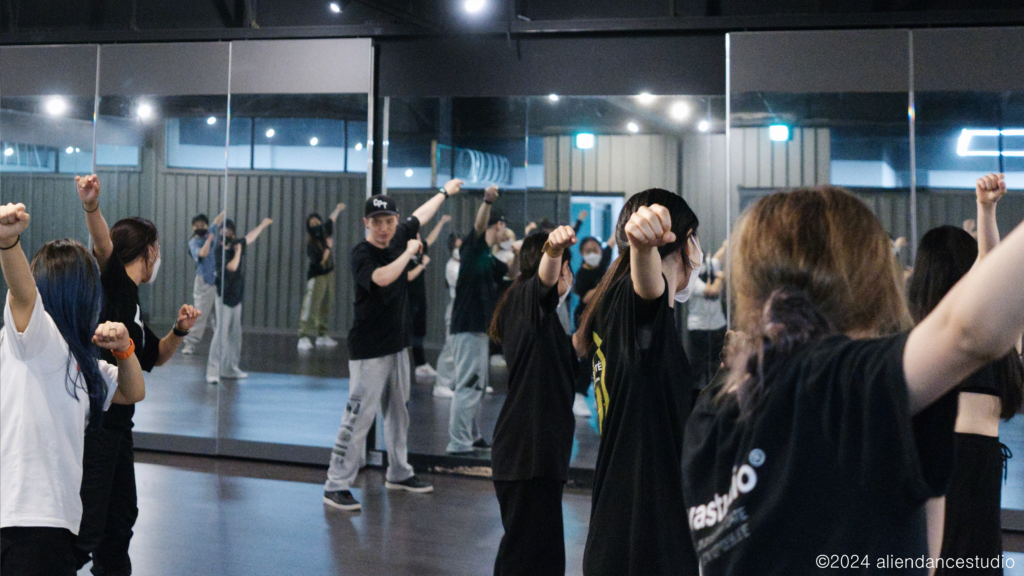
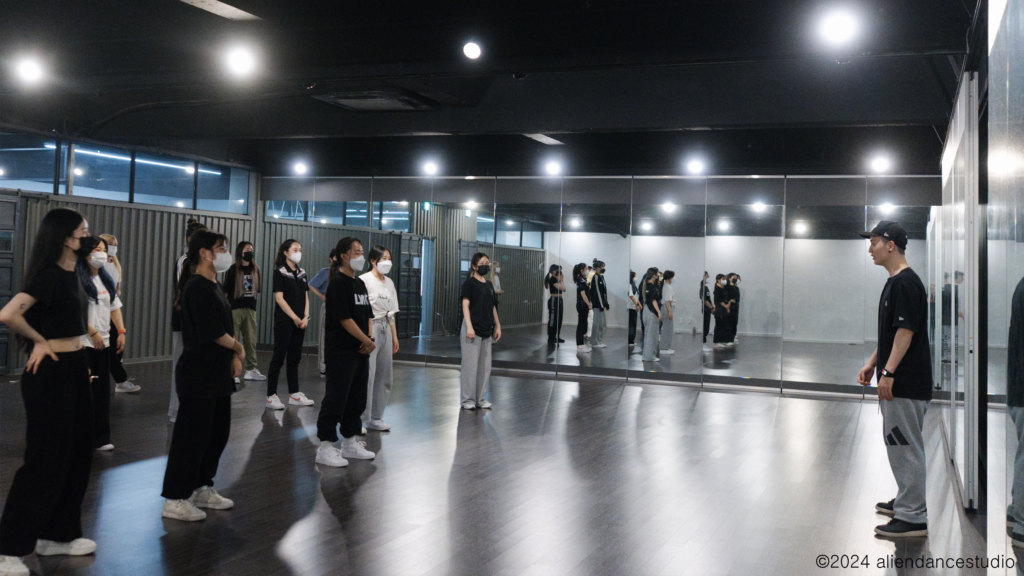
To explain the difference between a dancer and a choreographer, a dancer is, as the word suggests, "a person who dances," and I believe this is the first thing you do in a dance career. After a dancer comes a choreographer, which requires a different set of skills than just being good at dancing. Just because someone is a choreographer doesn't mean they can dance better than a dancer, but you can't become a choreographer without a sufficient understanding and experience of the dance genre and culture. For that reason, I think being a choreographer is the next step after being a dancer, and the step above that is a director.
If a choreographer is "a person who creates movements," then a director is like a "supervisor" who arranges, modifies, and fine-tunes the created movements into a complete work. Personally, I believe this is the next step after being a choreographer.
Creating movements can be done if you have danced before, but whether the created choreography is good or bad, or whether it can entertain people, is something you can only understand through actual experience of creating choreography. By putting your work on stage and having others learn and dance it, you finally develop the ability to discern these things.
For that reason, I believe you can't become a director without accumulating enough experience as a choreographer. This is the order of the career path I envision, or perhaps the order of levels?
――I think it's a very easy-to-understand explanation for anyone who hears it. By the way, after hearing this, I was most curious about "how do you usually come up with choreography?" From a layman's perspective, I would like to know where you usually get ideas or hints for movements physically.
EUANFLOW:First of all, what I personally value the most is whether "it matches the atmosphere of the song," and I believe everyone thinks the same way. I consider whether I can create a structure that is appropriate for the concept, atmosphere, and message of the song as the first step. However, I think the competitiveness of a choreographer lies in whether they can create "movements that others are not doing" or "movements that have not been created."
In my case, when I talk about this, everyone laughs (laughs). In any artistic field, references are necessary, right? For example, a music video director would refer to other music videos, and a film director would refer to other films. In my case, I refer to the movements of those who are not good at dancing.
I also look at completely unrelated styles, like K-pop or dance styles from music other than pop. Over a long time of dancing, I've come up with various ideas, so I know most of the dance movements that have been popular until now. Even if I deliberately look at other people's dances for reference, there isn't much difference from what I have in my head, so there are no new discoveries.
However, the movements of those who are not good at dancing express the same actions in a completely different way, or they put strength into completely different muscles and body parts even in the same dance, making it look very innovative. Of course, I review that and reconstruct it with my own abilities and senses to make it look cool. I do a lot of that kind of work.
Additionally, I am interested in other artistic works, and I often go to exhibitions and galleries, and I enjoy accumulating diverse cultural experiences. I also go to jazz live performances.
By looking at other genres of art, I can encounter poses, shapes, or atmospheres that are not dance and that I don't usually come into contact with. Especially in spatial exhibitions, I think about "what kind of shape would be good if I were to dance in a place like this." While thinking like this, my imagination starts to work differently than just simply listening to the music. That's how new movements are created.
――Is it similar to referencing amateur illustrations or children's doodles in an animation studio?
EUANFLOW:It might be.
――Now that you've talked about your work as a director, when do you feel the most fulfillment or joy in that role?
EUANFLOW:It's probably the moment when I see a piece I created and think it's cool. On the other hand, there are times when I don't personally like something, but it gets a lot of praise from others. In those moments, I feel more of a sense of accomplishment than happiness. It's like, "But I did something good" (laughs).
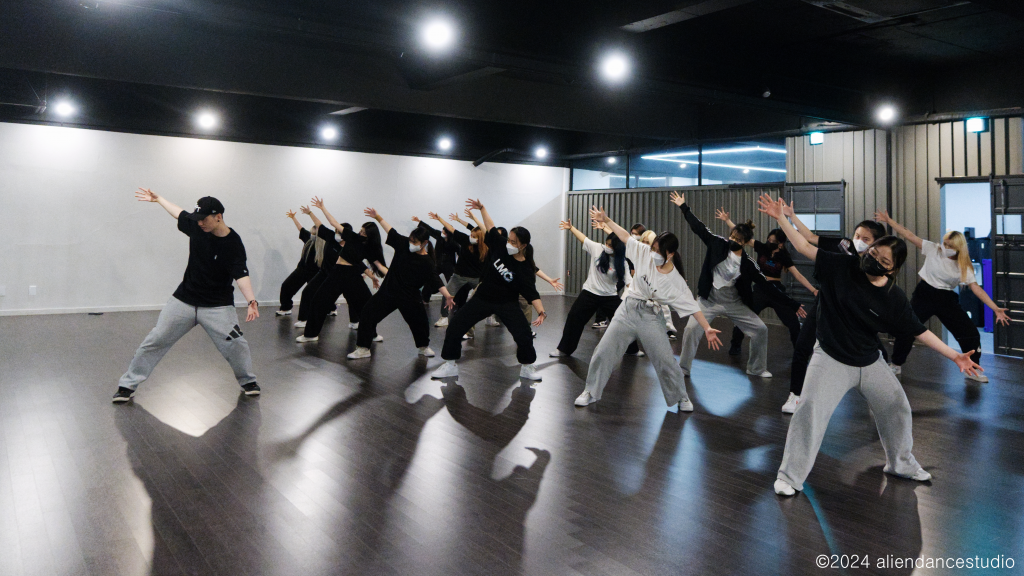
Also, as I mentioned earlier, I run a company called ALiEN. This is primarily a company for dancers, creating choreography based on concepts I come up with.
So while I create choreography for singers, I also create a lot of my own works. Therefore, not only the process of creating movements suitable for the music but also the thought of "if I were to release this as a video, what kind of costumes and styles of choreography would make it a better piece" has been part of my process. I feel a sense of fulfillment when many people like those works.
There are times when something I am very satisfied with does not get the response I expected, and there are also times when something I thought was too easy to make ends up selling really well. Right now, I feel satisfied with both sides. There are things I am satisfied with personally, and there are also things I feel satisfied with because they are liked by everyone.
――I feel that EUAN is more of a "director" overseeing the content itself, which is widely seen, rather than just creating a single choreography. Each choreography is, of course, important, but it seems like he is always thinking about how it will be perceived when it becomes a video.
EUANFLOW: The dance videos I create are ones that I film and edit myself. I started doing that relatively early on. Of course, it can't be compared to music videos or films, but at least in terms of filming and editing dance videos, I think I am recognized within South Korea. I've heard that other companies reference my videos.
What is necessary for stable growth... "Dancers should have the abilities of athletes and be artists who manage themselves"
――Based on what we've discussed so far, I think I'll move on to a slightly lighter question. When you introduced the company's facilities in an interview, the gym facilities indoors were very impressive. Do you often do strength training before practice or lessons?
EUANFLOW: (laughs) To be honest, since I started running the company, I've been focusing more on business and content creation than on managing my body. So, compared to before, I haven't been using the gym facilities much. I do some simple stretching for about 5 to 10 minutes regularly, though.
Since we're on the topic of training, I should mention that I've been involved in sports long before I learned dance skills and fundamentals. As my strength increased and my body got toned, I found that I seemed to dance better even without practicing. Or it became easier to dance. Having had that experience, I always make sure to include strength training when teaching lessons to professional teams or kids aiming to become professionals. That curriculum has been established, so I incorporated it when I started the company.
So, the dancers and students affiliated with us initially said it was really tough. They would say things like, "I don't want to do strength training" or "I'm tired," but in the end, those who could stick with it until the end were able to grow steadily. If the physical aspect doesn't keep up, no matter how much you practice or how well you are taught, there are limits to growth.
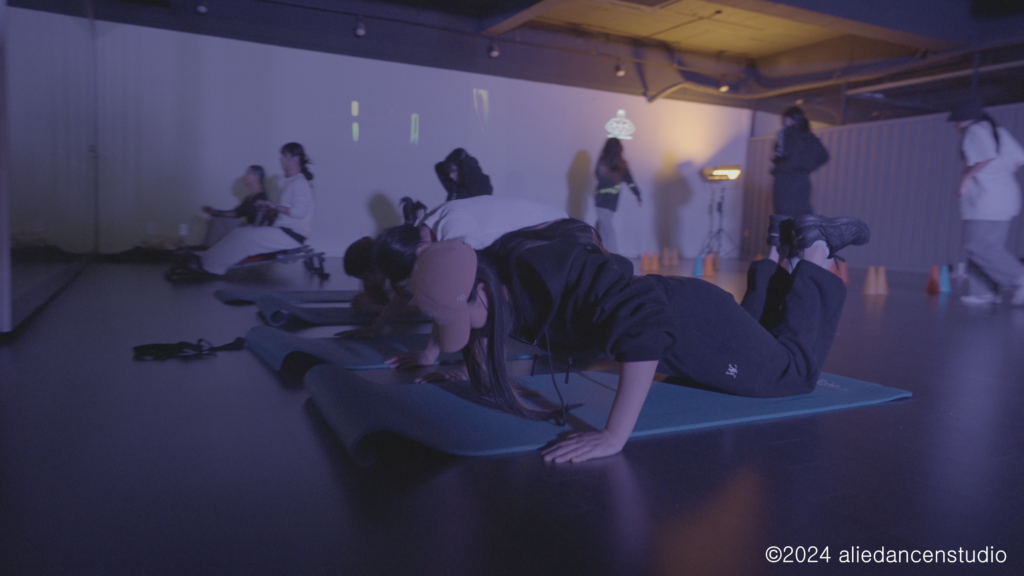
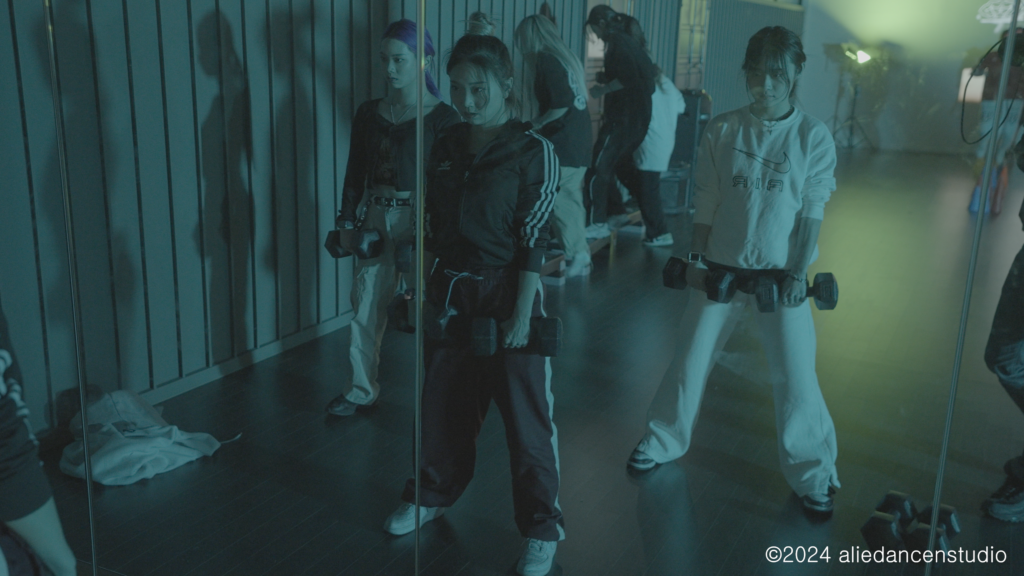
In fact, even without practicing dance individually, just doing physical training can lead to growth. Because of that experience, I started with bodyweight training, which eventually led to the introduction of gym facilities.
――It's impressive that this isn't just about the curriculum, but is based on EUAN's personal experiences.
EUANFLOW: Thank you.
When I have our members do training, I persuade them with the words, "Dancers should have the abilities of athletes and be artists who manage themselves." This is because dancers are not athletes aiming for records based on physical abilities; rather, they express music and emotions through their own artistic inspiration and senses. Nevertheless, to realize the expressions they desire, physical elements are very important, which is why I say that.
――The expression "persuade" is interesting (laughs).
EUANFLOW: Well, they look like they're struggling a lot, so I have to somehow motivate them. However, that motivation ultimately comes from within themselves, so I just said what I felt as someone in a teaching position.
Ten years ago, when I fell into a rut, I questioned myself... "Nevertheless"
――Euan, you are famous for naming your choreographies "Euanflow Choreography." Is there any particular piece that still stands out to you?
EUANFLOW: There are a few works that I really like. Among them, there is a piece that might be the one that everyone loves the most and perhaps even led to the current ALiEN brand.
That would be the choreography for Tinashe's "2 ON." Many people have praised that choreography. It was a great opportunity for me to effectively utilize the concepts and theories of choreography that I had established myself, and it became more talked about than I expected, so it left a strong impression on me.
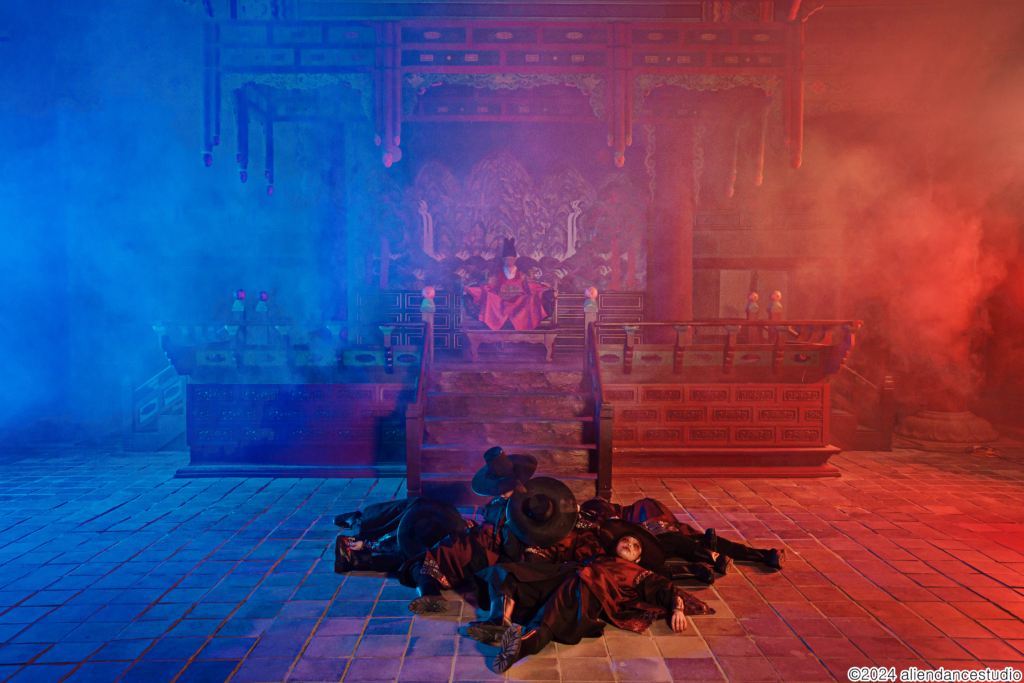
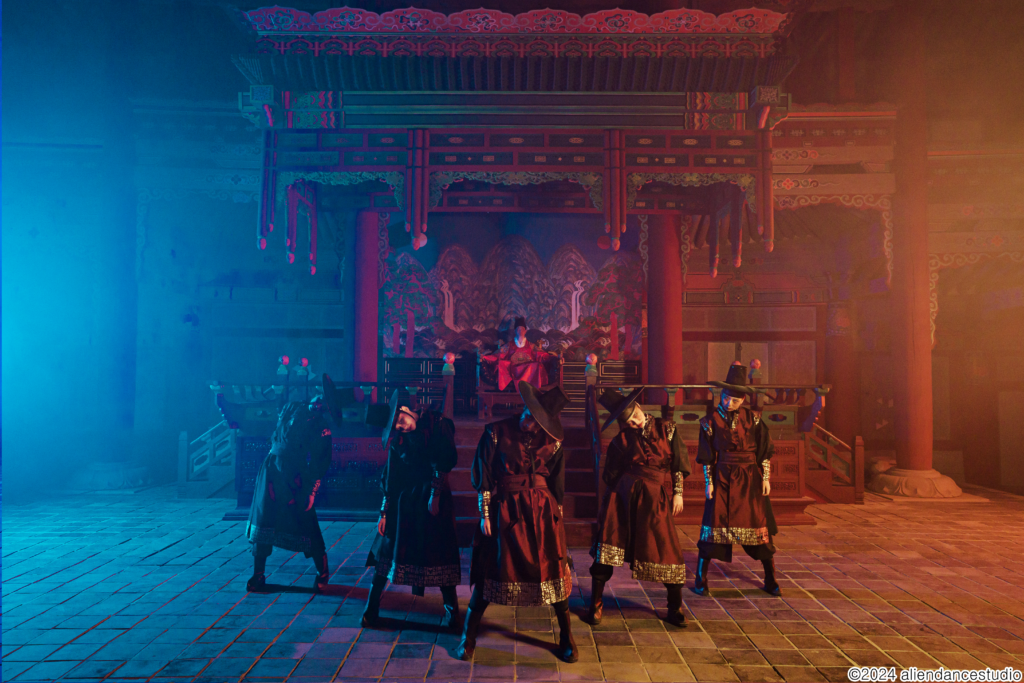
Not just choreography, but another piece that comes to mind is the choreography for the song "Millennia" on my YouTube channel. The artist behind it is Pixel Terror, an EDM artist, and it’s probably not that well-known even in Korea. I struggled a lot with the concept and costumes for that piece, and I think this style might be the first of its kind worldwide.
Of course, I can't say it's incredibly innovative or amazing, but in the sense that various elements came together to create a single piece of content, I thought, "There might not be another piece that can provide this level of stimulation with this combination."
EUANFLOW: To put it simply, as I mentioned in the video comments, I was aiming for a feeling of "statues at an exhibition coming to life." Usually, when we think of dance, we imagine passionate movements with sweat and energy being released, but in this case, it looks like there’s no sweat, moving slowly while exuding a cool vibe (laughs). So, the costumes included skirts and long dresses, and I also wore gloves. I had a hat that was styled like something from Vogue. You can see when you watch it, but the dance is very static. Of course, it only appears static; in reality, it’s dynamic.
――Is it close to pantomime?
EUANFLOW: No, I think models are not particularly good at dancing. If a model were to dance well, it might look something like this? They would probably dance while posing without much movement, I think.
――I think the difference between being static and appearing static is a completely different story. This ties back to the earlier discussion about where inspiration comes from. It’s also related to the question of "What kind of movements would a model make while dancing?" However, the actual movements of a model would likely be completely different from those of a dancer, and you transformed those into movements that you found cool.
EUANFLOW: Yes. I was thinking about what style would emerge if a typical model were to dance well.
――I find it really interesting how this connects to your earlier answer about "how you usually come up with choreography." It seems to be about taking inspiration and making it your own, while also utilizing it in a way that you think is better.
EUANFLOW: Listening to this conversation reminded me of something. It’s about inspiration. About ten years ago, I went through a phase where I was a bit arrogant. What I mean is, after studying dance for a long time, I convinced myself that "I am already proficient in dance," and that "I don’t need to look at other dancers or there’s nothing I don’t understand about dance." For about two to three years, I didn’t engage with the work of other dancers at all. I completely ignored what others were doing.
However, after two to three years, I realized that the world of dance had developed significantly. The key point of that development was the diversification of "arm movements," which I had previously underestimated.
In the past, I thought from a dancer's perspective that "arm movements are the most basic." So, if I wanted to improve, I thought I should focus on higher-level movements with my legs or body. I believed arm movements were too simple and that there was nothing left to study. But during those two to three years, arm movements began to develop through research, and I was amazed at how much they had grown.
After regretting that, I decided that whenever I wanted to gain some inspiration, I would question myself.
In the past, I would have thought, "I know everything that can be done with arms," but now I think, "Nevertheless, I must create cool movements with my arms." For example, I just thought of this, but if I were to dance jazz to a hip-hop song, in the past, I would have said, "That’s impossible." But now, I think, "Nevertheless, if I were to create it, what could I do?" I build my thoughts like this. This has been very helpful. It has served as a clue when coming up with new concepts or choreography.
――Is it about falling into a rut? I think this is a common issue for creators, and the idea of "nevertheless" is very valuable advice.
EUANFLOW: This is based on my experience.
The education system spreading worldwide alongside K-pop... "Just because the same system is implemented doesn't guarantee the same results."
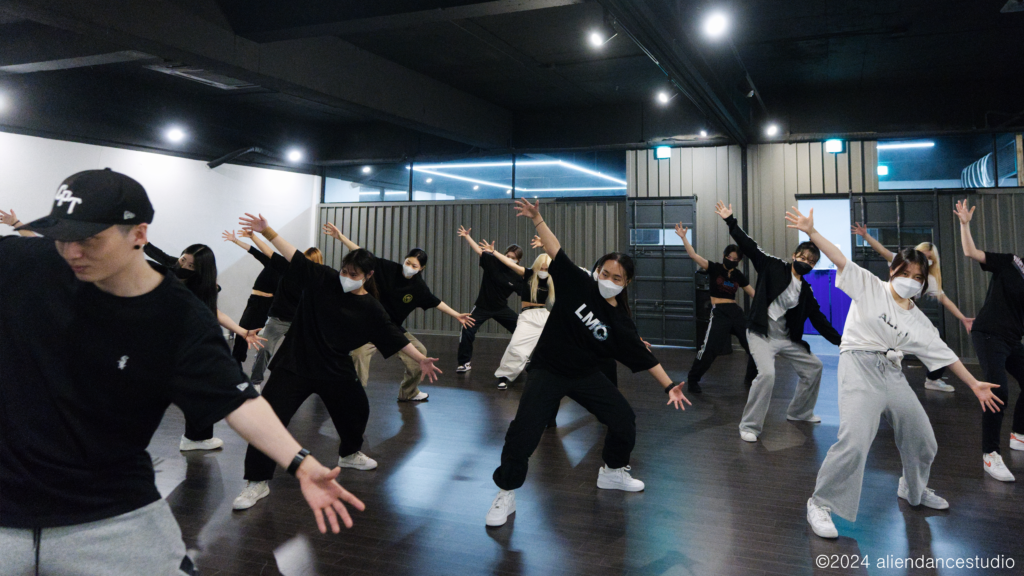
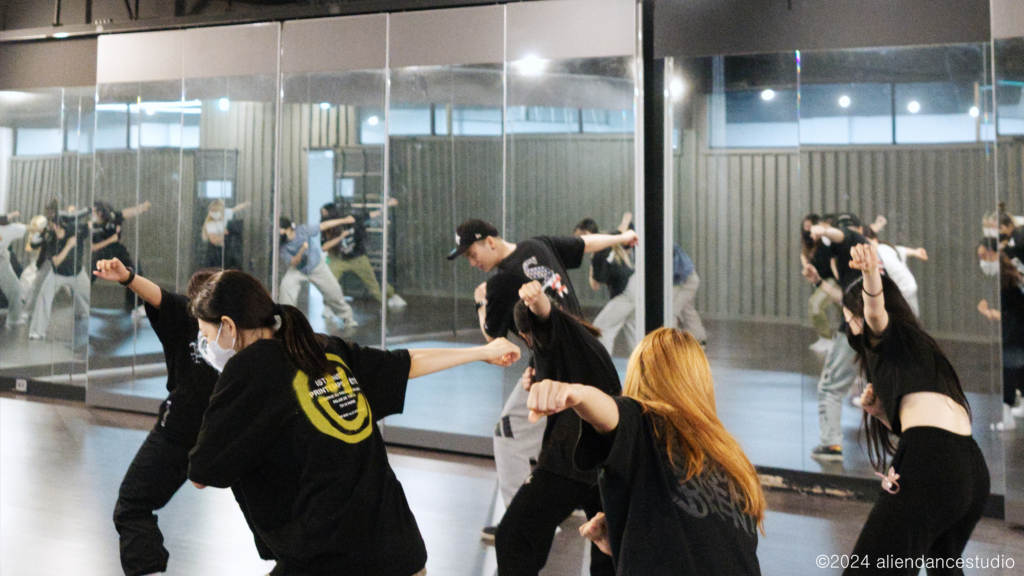
――This is just my impression from the Japanese entertainment industry, but I feel like there is a trend in the Korean entertainment industry where it is considered natural to "nurture and bring forth new talents into the world." With the expansion of entertainment, it seems that Korean educational culture is also being introduced simultaneously. From your position at the forefront of this industry, EUAN, what are your thoughts on this?
EUANFLOW: I see. I haven't really thought about that, so I'm not sure how to explain it...
From my personal perspective, I might say that the fundamental reason for the popularity of K-pop and the appeal of K-pop music, dance, and MVs is based on an educational approach that is unique to Korea. For example, if we say that "Koreans have a different innate 'talent' compared to people from other countries," then such an educational culture probably wouldn't have emerged. Of course, while talent is important for the birth of K-pop, what is even more crucial is the existence of a "systematic educational method and practice style" that does not exist in other countries, in other words, the "production process."
This is purely a discussion about the system, but I believe that "this system could be implemented in any country."
――I see. While there are various elements that make up K-pop, at its core, there is a unique K-pop system. Therefore, when bringing K-pop to other places, the system comes along with it.
EUANFLOW: That's right. However, while the system can be implemented in any country, I think there will be differences in the results that come out of it. The biggest reason for that is likely the differences in culture and mindset. Even if the same educational method is introduced, we can't guarantee that the same results will be achieved during the educational period.
As you may know, Korea is a highly competitive country, so if you can't compete, you won't be able to succeed in the audition or selection process for members. I believe that this educational system is fundamentally impossible to accept unless you get used to that competition and accept it naturally. Of course, if there were no time constraints, it would be a different story. Everyone has to practice and debut within a few young years.
Because the differences in culture and mindset that each country fundamentally possesses are significant, it is difficult to achieve the same results even if the same system is implemented. However, over time, as young people see the talents that emerge from that system and start to think, "This is how I can debut," the system will gradually become established. That's what I believe.
――After hearing your thoughts, I feel compelled to ask: from your perspective as EUAN, who is expanding into Japan, how do you think Japanese culture and the K-pop system will mesh?
EUANFLOW: From my experience, there aren't many countries where people can concentrate and practice at the level of Koreans. But at least the Japanese trainees I've met have really worked just as hard as Koreans. So I was very surprised. There aren't many people who can work that hard.
I think there is a difference in mindset, but at least the trainees I've met all love K-pop. So they all have a bit of an understanding of how K-pop audition programs work and how K-pop idols are born. Perhaps that's why they could accept it naturally, but everyone was practicing using their personal time and working as hard as Koreans. There are many who are putting their lives on the line to succeed. So I really think that if this system is introduced in Japan, it will work very well.
Shin Wisu: There is an idol market in the UK and Japan, which has actually been ahead by 10 to 20 years compared to Korea, but I'm curious about why the most efficient output system in today's era was born in Korea. Was it the private education system, similar to a cram school, and the passion for education that systematized it, or was it the passion of the people for entertainment that created competition, leading to a stronger system that survived? In other words, did the excellent system exist first, allowing the current system to exist, or are we now following a system that produced excellent stars and artists?
EUANFLOW: Ah, when you ask questions like this, there’s so much to touch on. For now, I think it’s a "cooperative rise."
It’s not that the talent followed because private education was excellent, nor is it that private education followed because the talent was excellent. The culture of idols itself is an object of admiration for young people, and the number of those dreaming of it has been increasing through TV. Additionally, as many people witnessed the success of various entertainment companies, many new entertainment companies began to emerge, leading to competition among them.
In that environment, more talents, including staff, gathered. So initially, there wasn’t a "cram school" that taught choreography, created songs, and educated trainees to nurture idols. However, with the emergence of such entertainment in Korea, competition repeated, and in that process, the abilities of the staff improved, leading to the current prosperity of K-pop.
Also, speaking of private education, there are many places to learn dance in Japan as far as I know. Personally, I thought that the culture of learning dance was ahead in Japan, and I still believe that. Yet, the reason for the resulting gap is that Korea's entertainment culture was placed in a lot of competition and music programs. In other words, I think there was an environment where many artists could be encountered.
This is not just one factor but a result of various intertwined structures. I believe that the environmental factors that allowed the culture of K-pop to develop more than in other countries lie in the number of music programs.
For example, when a music video is released, fans of the artist may want to meet the artist or listen to the song, but (in other countries) there are few opportunities to engage with content other than the music video. However, in Korea, music programs are scheduled 4 to 5 times a week, and viewers can participate in the studio, making content consumption easy and diverse. Because of such an environment, choreography becomes more innovative, song creation improves, and when selecting artists, more thought is put into it. For fans, the increase in opportunities to enjoy such content creates chances for both the supply and demand sides to connect. That’s why I think it developed faster.
The Future Possibilities Born from K-pop X Animation Collaboration... "If possible, I want to try it"
――Time is running short, so I think this will be the last question. Since you have worked as a choreographer in the K-pop industry, I imagine you have encountered various genres along the way. Just like now, where you have the opportunity to connect with the animation industry.
EUANFLOW:That's right.
――Based on your experiences so far, how have collaborations with different genres felt for you, EUAN?
EUANFLOW:I think it’s better to incorporate what I usually think about this. Choreography, in other words, dance, ultimately has to be consumed alongside music. So, with the premise that the music itself is something that the public consumes, I believe that the music that can showcase that best at this moment is K-pop. However, from the standpoint of someone who has done a lot of that kind of work, there’s a human nature that seeks something newer (laughs). I guess that’s just who I am. So personally, I want to collaborate with various forms of art.
Because, as I mentioned earlier, I love going to exhibitions, and I feel like I’ve exhausted the consumption of dance in pop culture. Within that, intertwining it with art is something that hasn’t been attempted before, or rather, my personal view is that it hasn’t reached the public. When it comes to dance connected to fine arts, it’s mostly contemporary dance. But I believe there’s a reason why the street styles and choreography used in K-pop are loved by the public. I want to utilize those "beloved elements" to collaborate with the art world. I have ideas for that.
Also, I think animation can definitely be collaborated with if we get creative. Of course, we can turn dance into animation, but it’s also possible to connect dance by intertwining the artistic aspects with animation. If there are people in this industry who need me, I would love to try it. Although I’ve been trying for a long time, it’s quite a challenging topic, and it’s difficult without full support and funding. There are those issues, so it hasn’t materialized yet, but I do have ideas.
In any case, I’ve personally done various works so far, and I’ve been creative not just in making choreography but also in terms of location, costumes, makeup, and so on, through references. Based on those experiences, I think there are many opportunities to collaborate with artistic fields, including animation. It shouldn’t just be something that satisfies the creators, but something that can provide fresh stimulation to many people around the world. Something like that.
――I’m looking forward to seeing how EUAN will be active in Korea, Japan, and around the world in the future.
EUANFLOW:Thank you. I’m looking forward to it too.
――Thank you very much. This concludes our interview.
●Interview cooperation: Shin Wisu
(NHK WORLD Announcer, CEO of Whiskool Inc.)
●Interviewer: Park Juhyun (SKOOTA Editorial Department)