

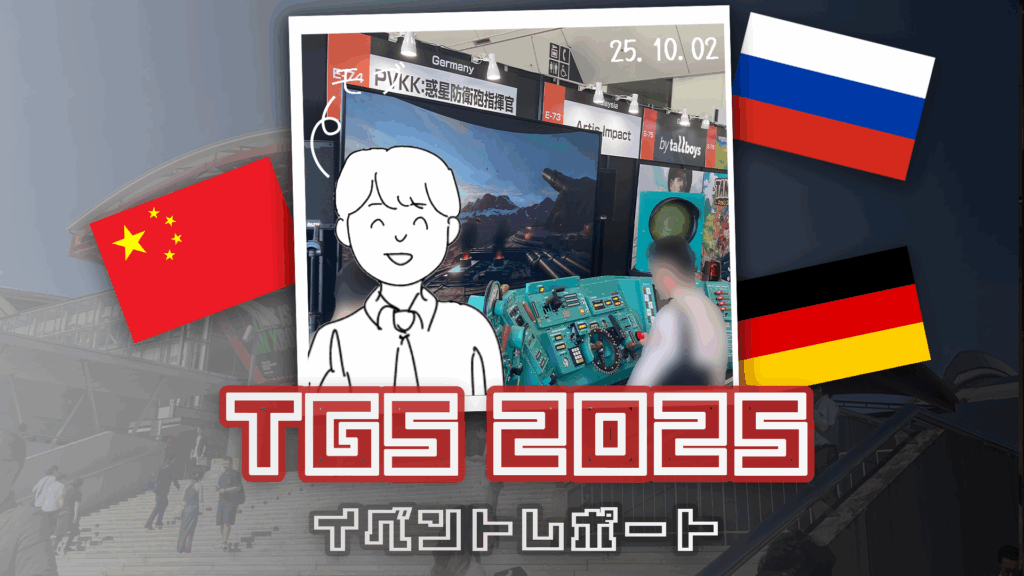
Hello, I’m Mob from the Negorabu team at SKOOTA GAMES.
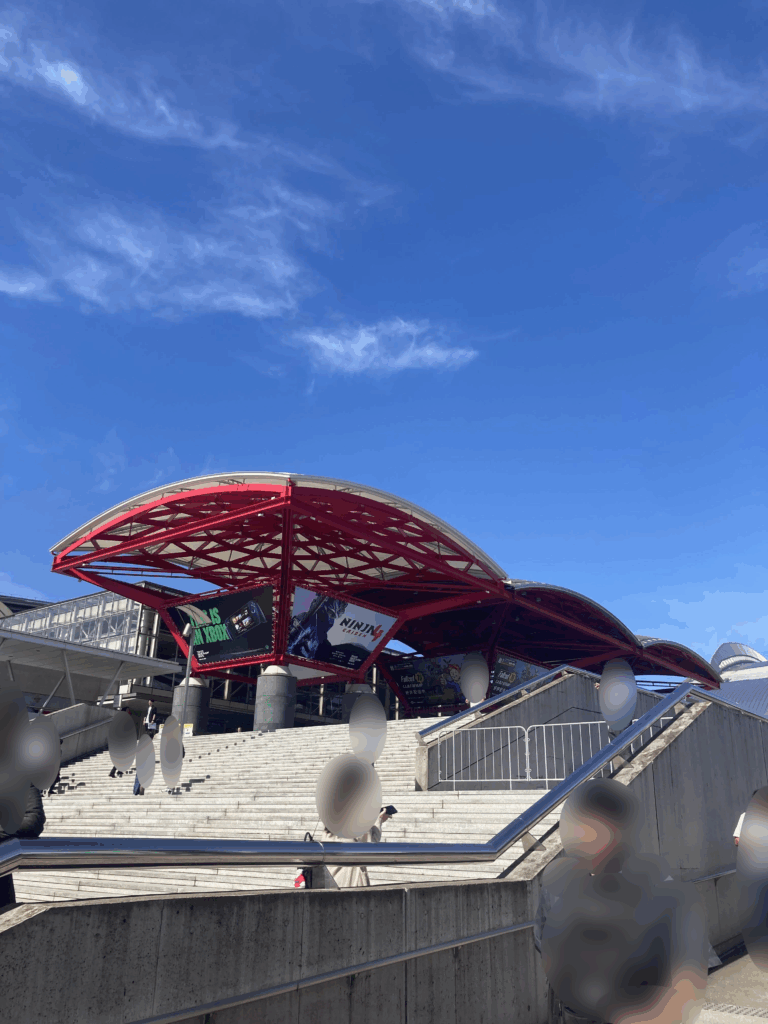
Recently, I was at the venue of the world’s largest gaming festival, the "Tokyo Game Show 2025," held at Makuhari Messe. The overwhelming waves of people filling the venue, the sounds and lights echoing from massive booths, and the dazzling new titles showcased by well-known major publishers... The sheer intensity of it all was truly something that could only be described as a "festival," incomparable to any other event.
Amidst this massive flood of light, I found myself naturally drawn to a corner where small gems with strong personalities quietly shone—namely, the area dedicated to "indie games." I thought that it was precisely because these indie games were displayed alongside AAA titles on such a grand stage that their inherent charm and underlying strength would become even more vivid.
The Tokyo Game Show is a place where games from all over the world gather, transcending Asia. Not only are there works from Japan, but games from various countries shine brightly in the same space.
In this report, I would like to share my encounters with six indie games that felt particularly special on this grand stage of TGS, divided into two parts: the first and the second.
In the first part, I will introduce three titles that particularly caught my attention with their unique gameplay and worldviews.
Thank You for Your Application: A Quiet "Reality" Confronted Amidst the Noise
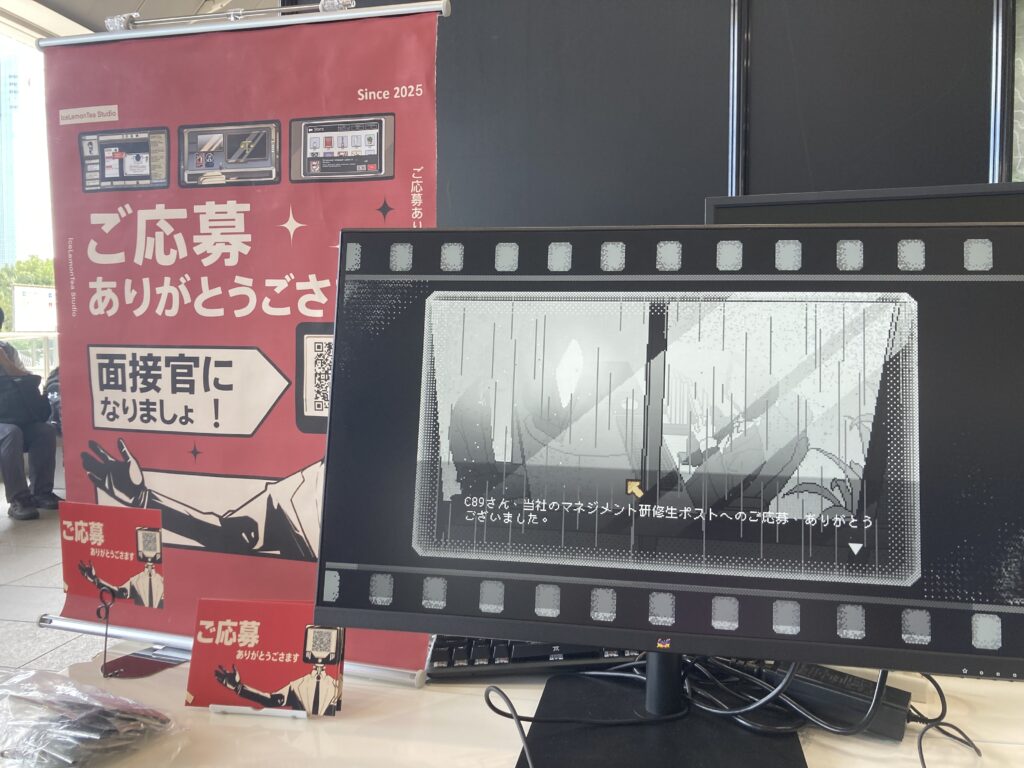
As I wandered through the massive hall, feeling a slight dizziness from the sounds and lights echoing from all directions, the first indie game I visited was Thank You for Your Application, a job interview simulation game from China that was also selected for TGS's "Selected Indie 80." The booth, slightly removed from the noise, bathed in gentle light from the window, exuded a strange calmness, as if it were the only connection to the real world within this festival.
In this game, players take on the role of the protagonist "C89," who has just graduated from university. In this peculiar world, people are referred to by code names rather than their real names, and working adults wear machines on their heads that resemble televisions. To avoid losing their visa, he (the player) becomes an interviewer for a certain company, coldly selecting students who are in the same position he was just yesterday, following a manual.
The structural irony of having to cut someone similar to oneself in order to survive. And the unreasonable evaluation system that one only learns about after becoming an interviewer... During gameplay, I was filled with a very complex emotion of "It's interesting, but somehow uncomfortable." In stark contrast to the glamorous booths around, this game quietly confronted me with the cold realities of modern society. I found myself in that sensation.
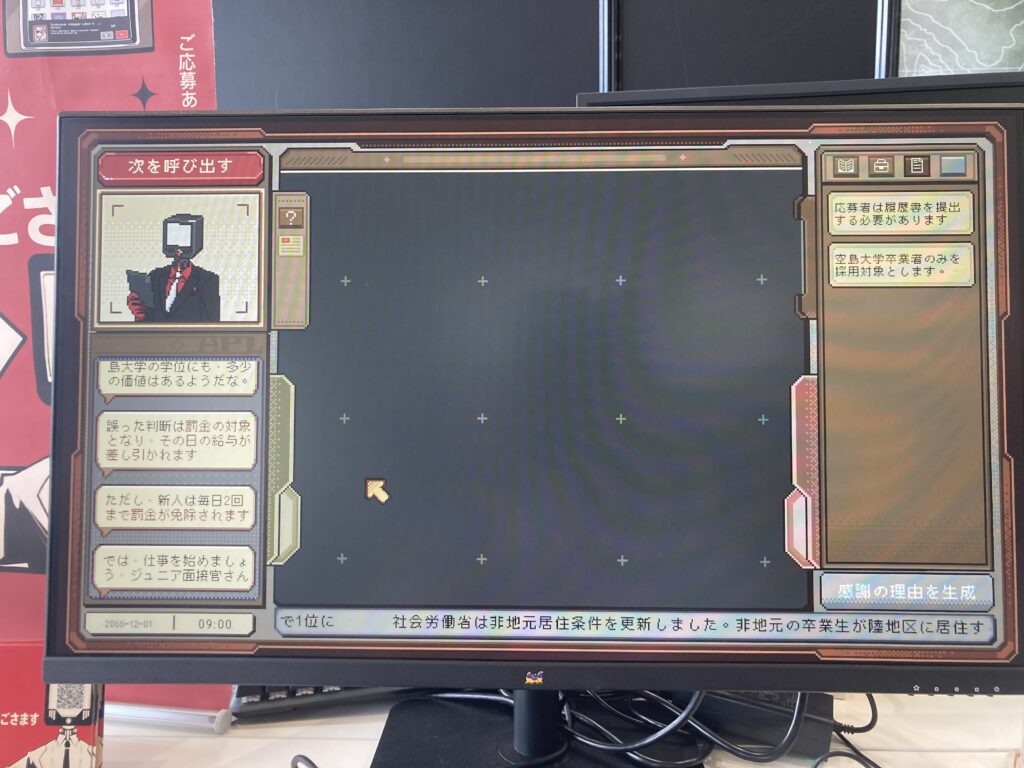
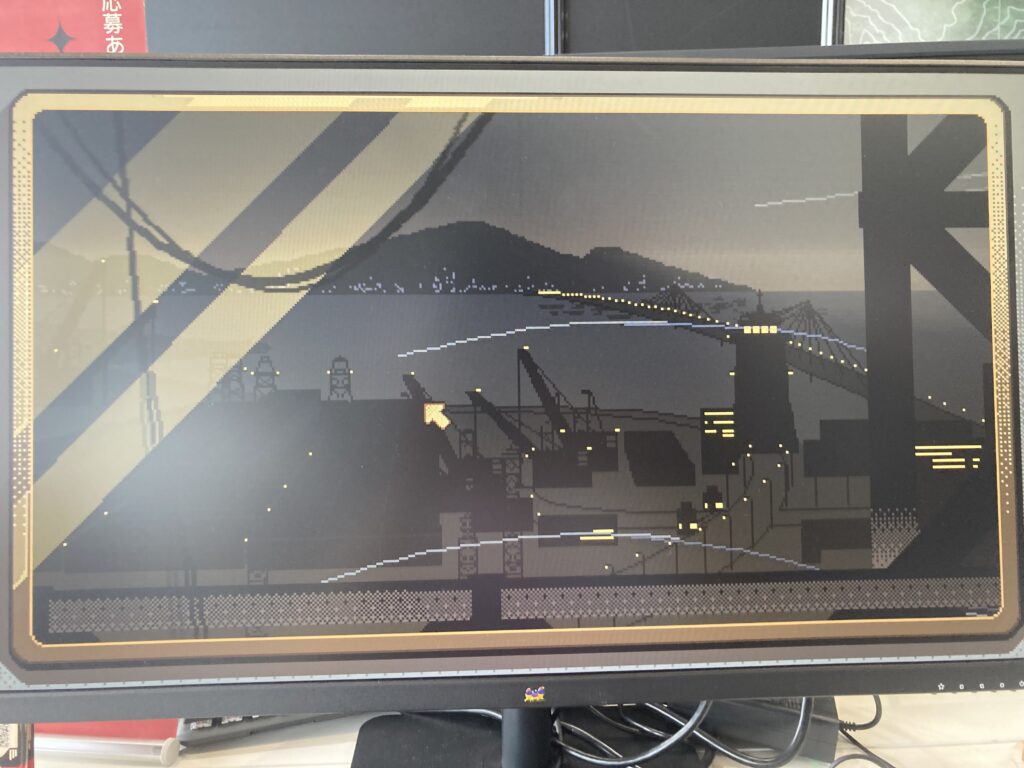
After trying the game, I was able to speak briefly with the developer. "This game is based on my own experiences, but it is by no means just a story about China," they said. The struggles young people feel during job hunting and the loneliness experienced while reading emails from family. Such emotions may be universal, something everyone experiences at least once, transcending national and cultural barriers.
The fact that this game from China, showcased at the Tokyo Game Show where games and people from all over the world gather, delivers such a universal and piercing message is perhaps the true power of indie games that never fades, even amidst the glamour of major titles.
This game currently has a demo available on Steam. It leaves a complex aftertaste that is hard to describe in one word, "fun yet somewhat awkward." I highly recommend experiencing it for yourself.
Sabakistan: The Dog Country: Crossing the Language Barrier, the “Atmosphere” of a Totalitarian State
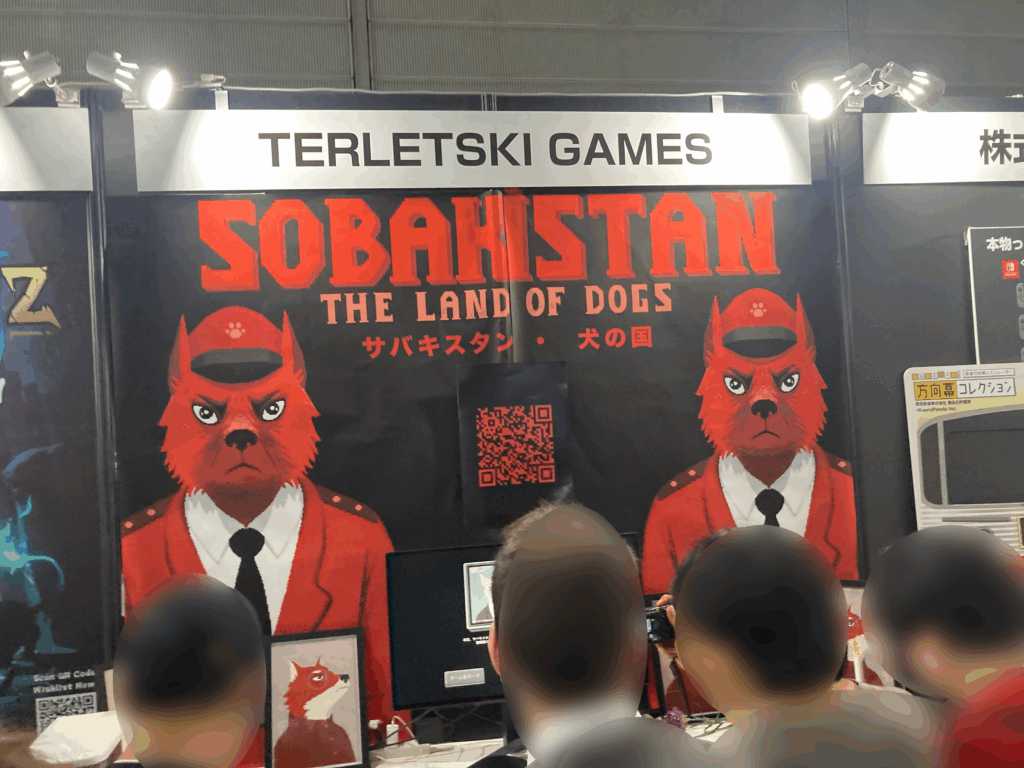
Next, let me introduce the adventure game ‘Sabakistan: The Dog Country’, which hails from Russia. I later learned that this game is based on a Russian comic.
The story is set in the mysterious totalitarian state of "Sabakistan," which has kept its borders closed for a long time. With the funeral rehearsal of the great leader, the country invites journalists from around the world for the first time. Here, the chameleon journalist "Henri Pascal" begins a dangerous investigation to uncover the secrets hidden by the state.
To be honest, the localization into Japanese had some awkward parts. However, the atmosphere of the world depicted in this game was so compelling that it more than made up for it. The unforgettable, powerful art style, the intricately drawn cityscapes, and the occasional high-quality animations... Even without fully understanding the meaning of the words, the message of "how abnormal and suffocating this world is" comes through painfully clear on the screen.
This atmosphere extended beyond the game itself. The booth displayed portraits of the leader, staff wore sharp suits, and players who finished the demo were handed commemorative badges. Personally, it reminded me of the portrayal of North Korea in some Korean films, but thanks to this thorough presentation, I felt like I was truly experiencing life as a journalist infiltrating Sabakistan.
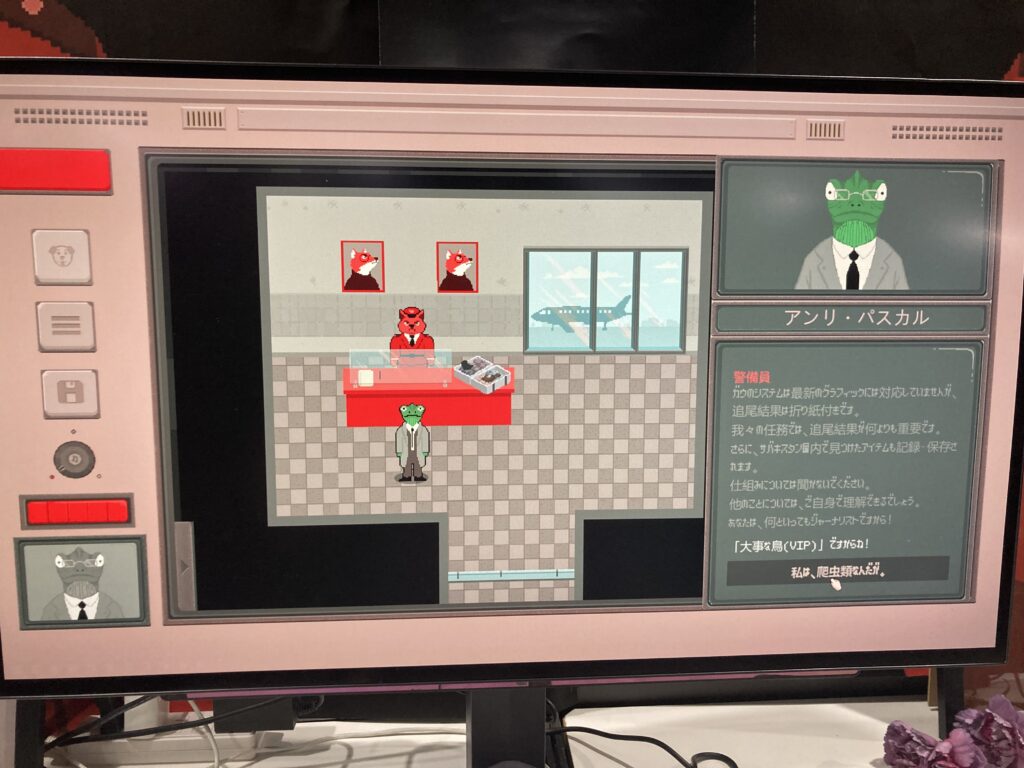
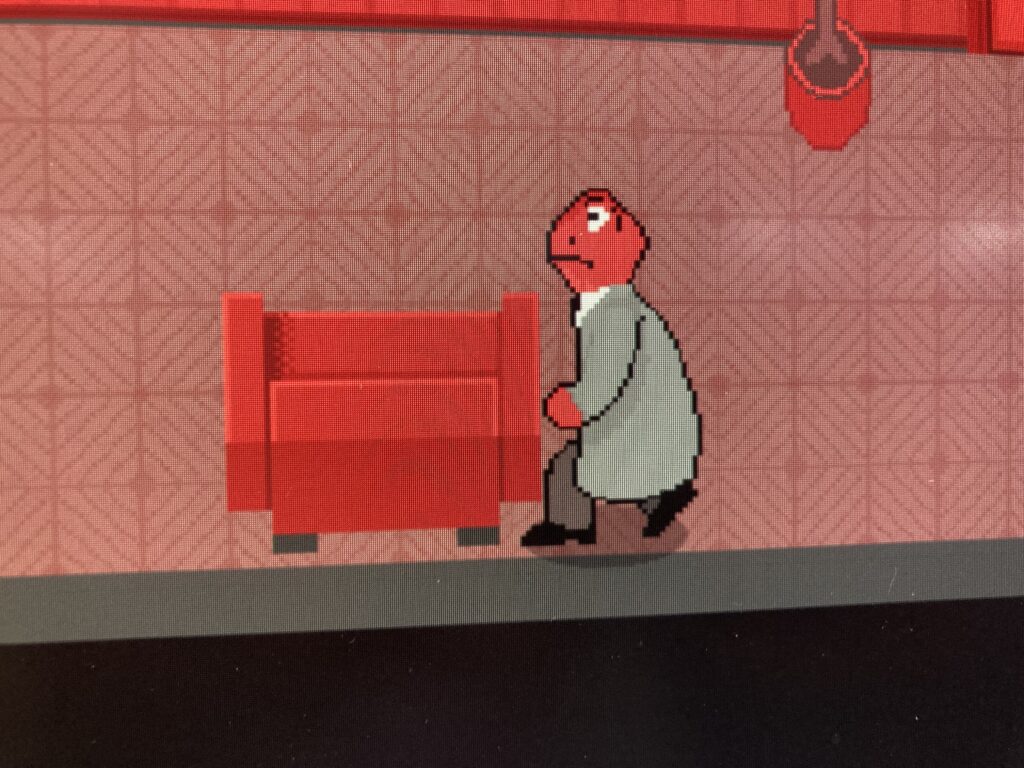
What I found particularly interesting in the gameplay was the ruthless immediacy of the consequences of choices leading to disaster. For example, when trying to give a tip to a hotel cleaner, that action catches the watchful eyes of the authorities, resulting in an instant game over. I was made to experience the harshness of this dystopia firsthand. (In the local demo, the save function didn’t work well, but the staff were kind enough to assist each time, which was the only saving grace.)
If the localization is further refined in the future, I believe this game could become more than just an adventure game; it could provide players with a real experience of a totalitarian state and prompt them to reevaluate their own values. It is scheduled for release in 2026, but until then, I want to read the original comic to learn more about this mysterious country.
PVKK: Planet Defense Cannon Commander: The Absolute Ruler of “Experience” Beyond Reason
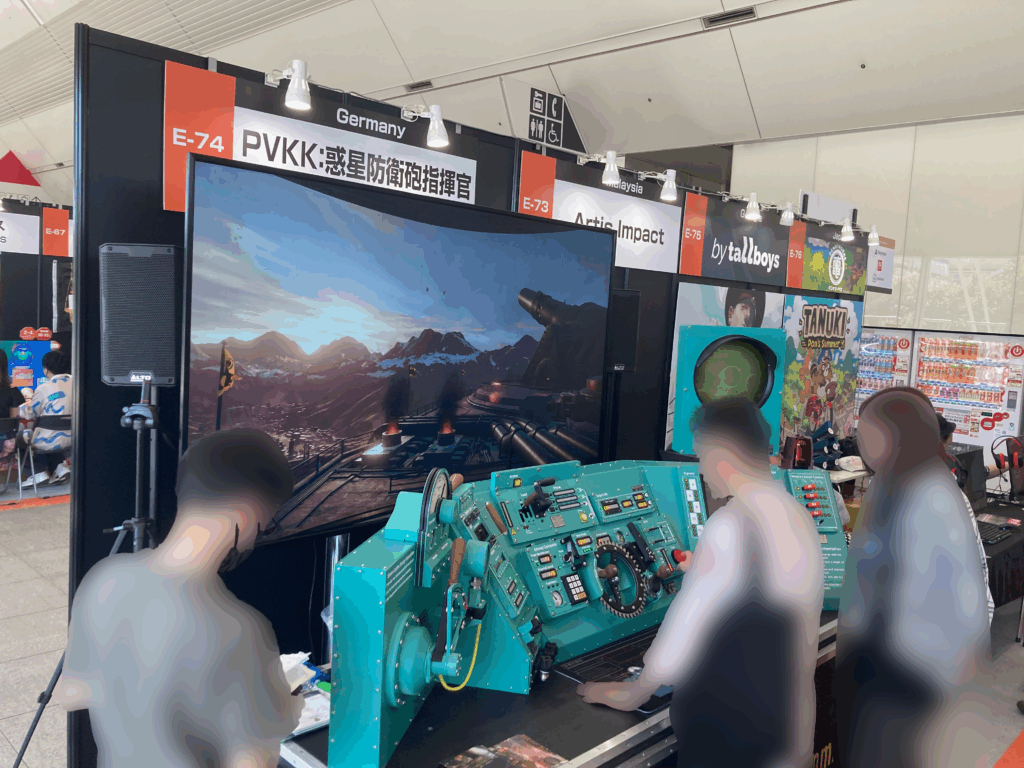
Now, closing out the first part is 'PVKK: Planetary Defense Gun Commander', which has come all the way from Germany. There may not be much to say about this game, as its presence in the Selected Indie area transcended mere logic.
The development is handled by a German studio called Bippinbits. They are known for creating unique exhibition equipment that brings the game's world into reality, such as the realistic battle arcade of 'Buckshot Roulette' and the experience booth modeled after a house door from 'No, I’m not a Human'. I have seen such interactive booths at several events, but the massive control panel that was seated in the indie game area this time was on a completely different, overwhelming scale.
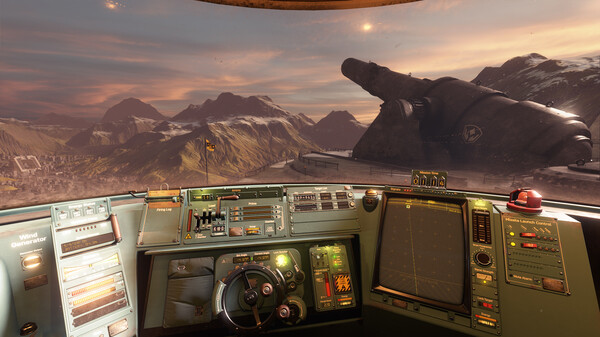
Quoted from the Steam page.
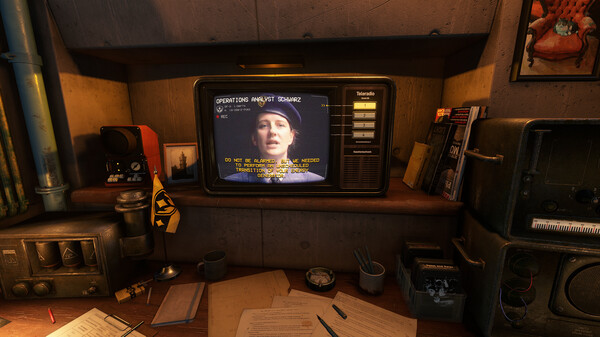
such spaces as well. Quoted from the Steam page.
The game itself involves intercepting threats approaching the planet with a massive defense cannon, which is relatively simple. However, the essence of this game lies beyond that. A massive iron mass embedded with countless buttons, levers, meters, and monitors, weighing as much as 300kg. Standing before it, actually gripping the levers, pressing the buttons, and firing shells with a thunderous roar that resonates in your gut—this absurd yet exhilarating "experience" is everything this game has to offer, which I encountered at TGS.
To be honest, how much of this experience can be replicated on home PCs or consoles is still uncertain. However, such doubts seemed trivial. Bringing this much material from Germany to Japan, especially to the indie game area, and asserting "this is the experience we want to create" with such a strong will is remarkable. Their passion and obsession, akin to madness, capture our hearts in a way that is entirely different from the enormous advertising budgets of AAA titles, yet equally or even more impactful.
I can only express my gratitude for being able to experience such an "experience" from a pre-release title. I look forward to the day I can once again become the commander of this cannon in the final version, and hopefully, to reunite with this iron mass at some domestic or international event.
End of the First Part
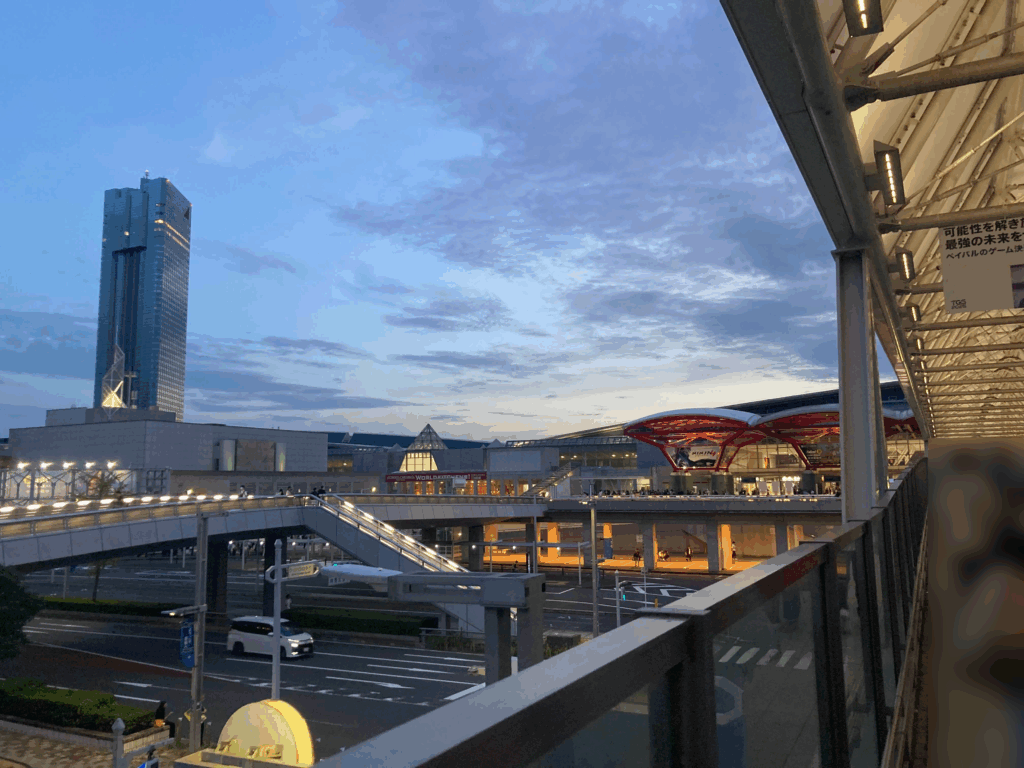
So far, we have introduced unique indie games from three different countries: China, Russia, and Germany. How did you find them? Sharp simulations that cut through the absurdities of modern society, intense worlds that transcend language barriers, and overwhelming "experiences" that go beyond logic. Each approach is entirely different, yet all of them shone with a brilliance that rivaled major titles within the grand festival of TGS.
In the upcoming second part, we will introduce three more wonderful works from another country. Until then, see you again.